
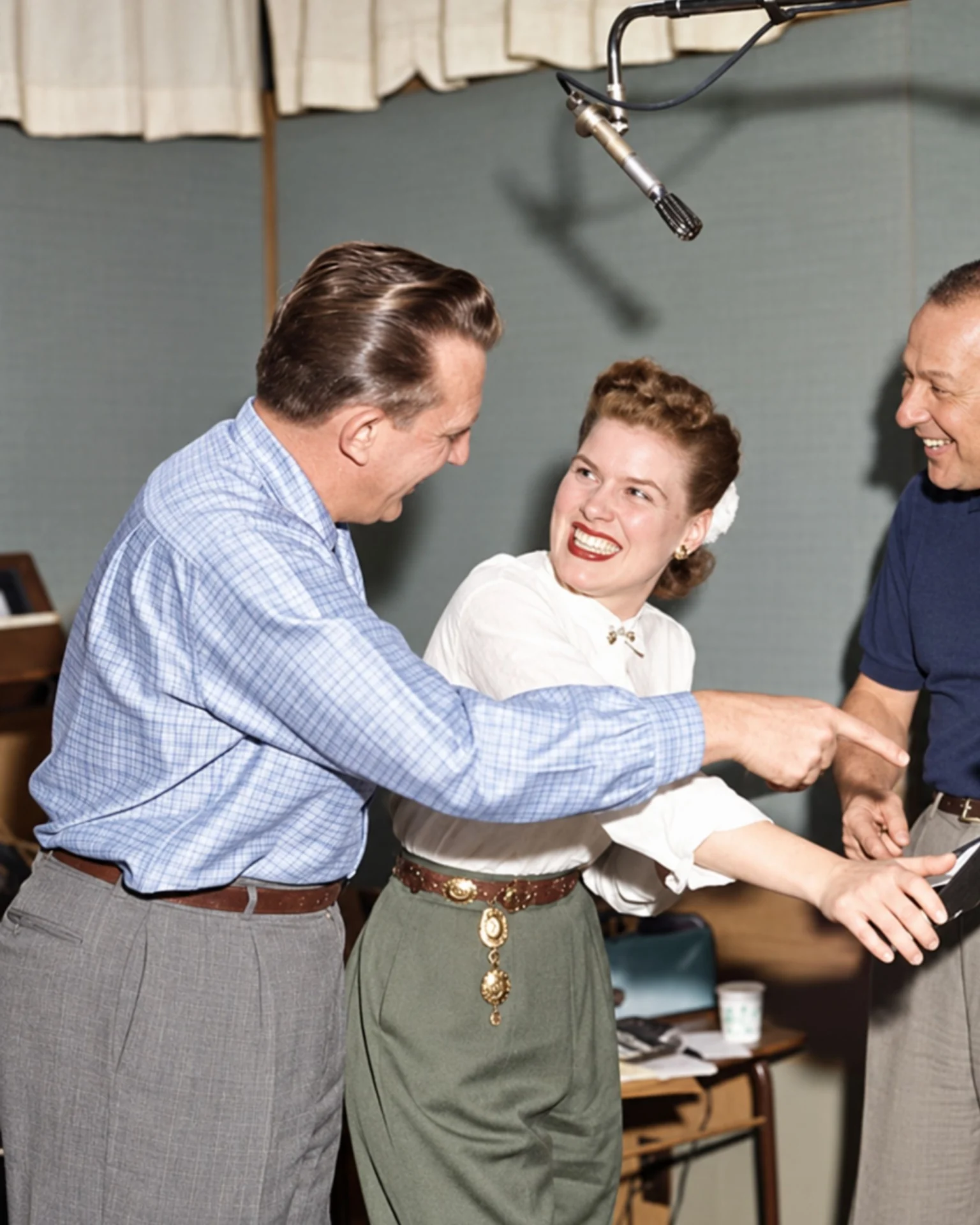
On August 21 1961, Patsy Cline stepped into a humble steel Quonset Hut behind an old Nashville house. Her body still recovering from a near-fatal car crash two months earlier, she prepared to record a song that would redefine country music. That song was Crazy, and the room where it came to life was anything but fancy.
By the turn of the 1960s, Nashville faced a crisis. Rock and roll was stealing younger listeners, and the hard-country records that had dominated the previous decade no longer guaranteed crossover success. Producers Owen Bradley and Chet Atkins began experimenting with a smoother approach: softer piano, background vocals, strings, less twang, and more space around the singer. This style became known as the Nashville Sound.
Patsy Cline was one of the voices perfectly suited for this experiment, though she did not always agree with Bradley’s instincts. When she signed directly with Decca in 1960, Bradley steered her toward polished arrangements. She initially resisted some of the Jordanaires-backed production, but Bradley heard something larger in her voice than conventional honky-tonk could contain.
Their laboratory was the Quonset Hut. Owen Bradley and his brother Harold had built the studio behind an old Nashville house using a military-style steel structure. They tuned the room largely by ear with curtains, wood, and insulation. By the early 1960s, hundreds of sessions passed through the building each year.
On that August day, the room filled with some of Nashville’s best musicians. Floyd Cramer played piano, Grady Martin played guitar, Bob Moore played acoustic bass, Harold Bradley played electric bass, Buddy Harman played drums, Walter Haynes played steel guitar, and the Jordanaires provided vocal support. Bradley recorded the instrumental track first, then Patsy returned a few days later to complete the vocal.
The process was unusually modern. Bradley used three-track recording, separating Patsy from much of the backing so the balance could be shaped precisely. He encouraged her to linger over words, leave pauses, and bend phrases to increase emotional weight.
Country music did not have to become rock and roll to reach a broader audience
It could keep a steel guitar in the room, add piano and vocal harmony, and let an unmistakably country voice carry the center.
Crazy became a country Top 10 and crossed into the pop market. More importantly, the session proved that refinement did not mean surrender. Within a few years, the Quonset Hut became part of Music Row’s foundation, and Bradley’s work with Patsy Cline became a standard other producers measured themselves against.
What survives from those sessions is more than famous records. It is the sound of Nashville discovering that a humble steel hut could hold a voice powerful enough to change country music forever.