
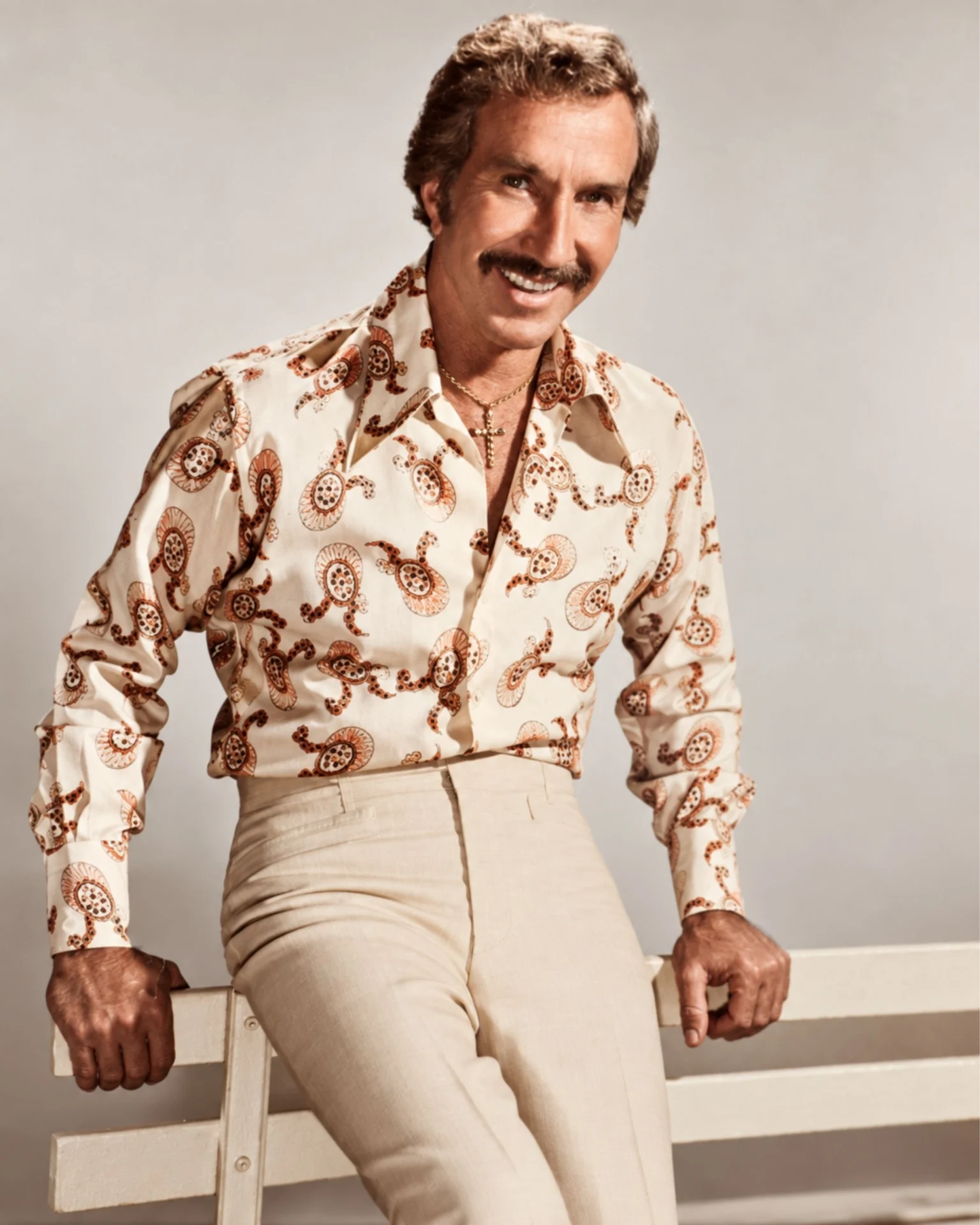
The man who thought his cowboy record might disappear watched it become impossible to ignore. Marty Robbins had braced for failure when he made Gunfighter Ballads and Trail Songs, but El Paso climbed to No. 1 on both the country and pop charts, stayed at the top of the country chart for seven weeks, and helped the album sell more than a million copies.
That success looked nothing like the safe version of Robbins that Columbia fans already knew. By 1959, he had delivered enough hits to ask for something risky. The record he wanted had little to do with polished country-pop singles. It came from the Old West that had lived inside him since childhood, a place full of gunfighters, desert skies, saloons, and love stories that ended in tragedy.
Robbins persuaded producer Don Law to let him devote an album to Western songs. He argued that the label owed him the chance after everything his hits had earned. Even then, he was not sure anyone would buy it. He later worried the project might sell fewer than 500 copies.
The centerpiece of the album had been waiting for years. Robbins first noticed the name El Paso during a Christmas drive west in 1955. He thought it sounded like a song title, then lost the idea. Two years later he was traveling toward Arizona with his wife driving their turquoise Cadillac. Robbins sat in the back seat and let the story pour out. Lyrics and melody came together in one motion, following a cowboy who falls for Felina, commits a violent act, flees into the desert, and cannot stop himself from riding back.
On April 7, 1959, Robbins entered the studio with a group that included guitarist Grady Martin. Martin’s Spanish-style guitar gave El Paso much of its atmosphere. In about eight hours, Robbins and the musicians recorded the songs that became Gunfighter Ballads and Trail Songs. The album did not treat cowboy music as a costume. It stepped inside the old Western tradition and sang it with full belief.
The commercial result stunned everyone. El Paso went to No. 1 on both the country and pop charts. It remained the country No. 1 for seven weeks. It won the Grammy for Best Country and Western Performance. The album eventually passed a million copies sold.
The record he feared nobody wanted became the one that let generations hear the Old West as a living story.
Part of the power came from the way the song trusted its audience. El Paso was too long and too dramatic for ordinary radio instincts, but it let the narrative unfold at its own pace. Listeners could see the saloon, feel the dust, hear the gunshot, and understand why a man would ride toward death for love. Country audiences recognized that weight. Pop audiences did too.
Decades later, the Library of Congress placed Gunfighter Ballads and Trail Songs in the National Recording Registry. Western musicians continued to treat it as a foundational record, not a period novelty. It looked backward to the frontier myth and forward to the idea that a country artist could build a complete world inside an album.
Marty Robbins did not simply chase another hit. He stepped away from the safe path and sang the stories that had been living in him for years. In doing so, he proved that country music could carry an entire movie without leaving the turntable. The record he thought nobody wanted became the one that made the Old West feel real for generations to come.