
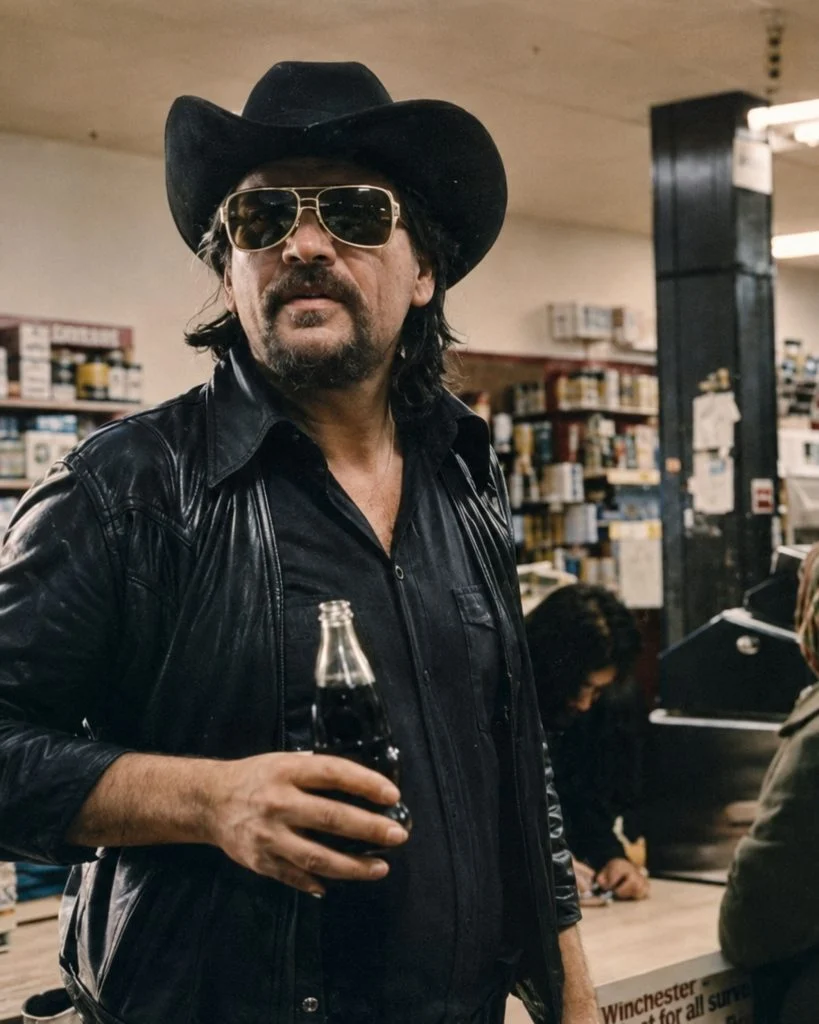
Waylon Jennings did not rebel because Nashville had ignored him. He rebelled because Nashville had already made him successful and still would not let him sound completely like himself. By 1972, he was ready to walk away from it all unless RCA stopped telling him what to record, who could play on it, and how his records should sound.
In the mid-1960s, Jennings arrived at RCA Victor with one of the most recognizable voices in country music. Producer Chet Atkins helped establish his career, but the Nashville system frustrated him. Producers chose much of the material, sessions relied heavily on studio musicians, and the finished records often sounded more polished than the music Jennings wanted to make. The records sold, but Waylon grew increasingly unhappy.
The Success Started Feeling Like A Trap
By the early 1970s, years of touring and financial pressure had compounded the problem. He was earning substantial money but later recalled still ending up deeply in debt. Hepatitis forced him off the road in 1972, giving him time to reconsider whether he wanted to keep working under the same arrangement. His RCA contract was approaching its end. This time, Waylon had leverage.
Neil Reshen Changed The Negotiation
New manager Neil Reshen approached the negotiations differently from how Nashville normally handled artists. Jennings wanted control over his recordings: his own musicians, his own choice of material, his own producer, and greater authority over the finished records. RCA agreed to terms that gave him substantially more creative freedom.
Waylon wanted the machine to make room for him.
The records changed almost immediately. Instead of leaving his road band outside while Nashville session players made the albums, Jennings increasingly brought his own musical world into the studio. Albums such as Lonesome, On’ry and Mean and Honky Tonk Heroes followed in 1973. The second contained almost an entire album’s worth of songs written by another Texas outsider: Billy Joe Shaver.
The Outlaw Was Built Before The Image
The change was bigger than longer hair or the word outlaw. It was contractual. It was who chose the songs, who played the instruments, who shaped the sound, and who had the final authority when the tape rolled. Waylon had demonstrated that a major Nashville artist could demand control over how his records were made and still sell them. Willie Nelson was simultaneously pursuing his own independence in Texas.
The Argument Became Too Big To Ignore
In 1976, RCA repackaged earlier recordings by Waylon, Willie Nelson, Jessi Colter, and Tompall Glaser as Wanted! The Outlaws. It became country music’s first platinum-certified album. By then, the argument Waylon had been having inside RCA offices was no longer merely about his own records. Other country artists had begun asking for the same thing: control.
The deepest part of this story is not only that Waylon Jennings became an outlaw-country icon. It is that the outlaw era began with a practical demand: stop choosing everything for me. Let my band play. Let me pick the songs. Let my records sound like my life. By 1972, Waylon was sick, in debt, frustrated, and close to walking away from a system that had made him famous without making him free. Then Neil Reshen helped turn that frustration into leverage, RCA gave ground, and the records changed. The music became bigger, rougher, truer, and harder for Nashville to take back.