
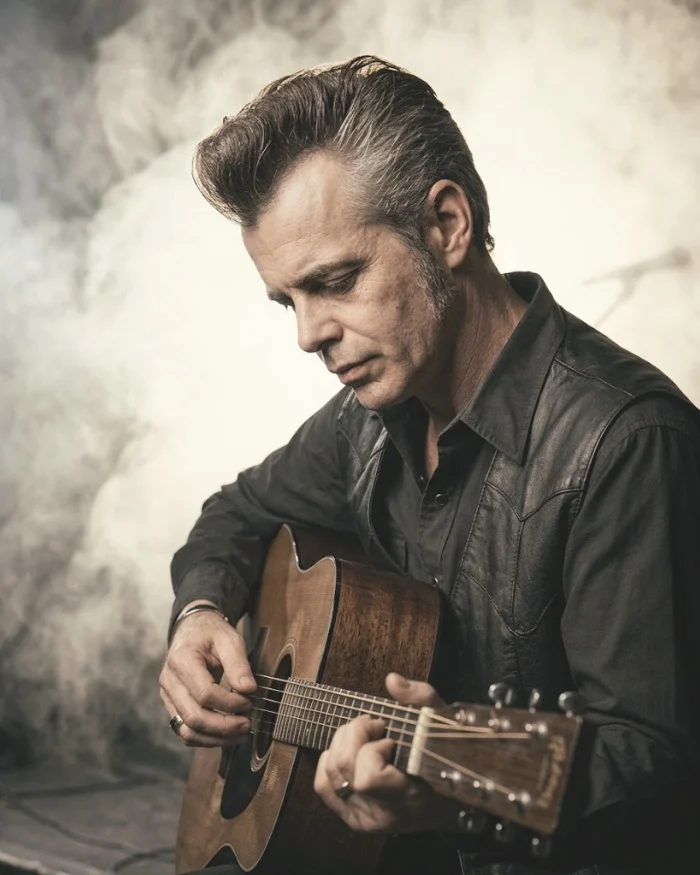
The dancehall lights blazed over a beaming bride and groom as Dale Watson lifted his microphone. The couple had no idea that the man about to serenade them was carrying a freshly shattered world. Just days after his fiancée Terri Beaumont died in a sudden car crash in the fall of 2000, Watson stood before a room full of celebrating strangers and delivered love songs with a polite smile and a broken heart.
Beaumont had been his safe harbor after a painful divorce. She helped him rebuild his life, and together they planned a quiet future and a wedding of their own. Then the accident erased that future in an instant. Watson sank into a crushing depression and had every reason to cancel the tour date. But the first show back on his schedule was a wedding reception, and he could not bring himself to spoil the happiest day of someone else’s life.
Every celebratory cheer and romantic melody was a sharp unrelenting reminder of the future he would never get to live.
So he walked onto the stage and went to work. For hours, Watson kept his signature baritone steady while the couple exchanged vows and guests cheered. He hid his grief behind professionalism and let two strangers have their perfect beginning.
Instead of offering refuge, the road only deepened Watson’s isolation. The man who had spent his life bringing traditional honky-tonk music to Texas dancehalls found himself struggling to survive a depression he could not sing his way out of. To keep the grief from destroying him, he gathered his backing musicians and booked time at Arlyn Studios in Austin.
The result became the 2001 album Every Song I Write Is for You, released on Audium Records. With Floyd Domino on piano and Ricky Davis on pedal steel guitar, Watson stripped away the bravado of his usual barroom performances. He used the microphone to speak directly to the woman who was no longer there to listen. Every song was a memorial.
Songs such as One More For Her, These Things We’ll Never Do, and I See Your Face In Every Face I See documented his mourning with unflinching honesty. But finishing the album did not heal him. As the record reached the public, Watson faced the painful task of performing the tribute material in crowded nightclubs. The unresolved grief wore away at his endurance and pushed him toward a severe breakdown. Recognizing that he was losing his grip, he voluntarily checked into Austin State Hospital.
Inside the psychiatric facility, Watson stepped away from the music industry to focus on survival. He spent essential time confronting the trauma that had nearly cost him his own life. Later, he allowed filmmakers to document his chaotic recovery in the 2006 docudrama Crazy Again, refusing to hide the dark reality of what his loss had cost him.
Slowly, Watson rebuilt his mental health and found stability. When he returned to his heavy touring schedule, his live shows carried a different weight. He still commanded crowded venues and delivered the classic Texas country music his fans expected, but the man holding the guitar was permanently changed.
Decades later, those fourteen songs still sit in his catalog. The future he planned was erased, but Terri Beaumont remains present in every venue he plays. He turned heartbreak into a permanent public monument, and the woman who helped him build his life is remembered every time he sings.