
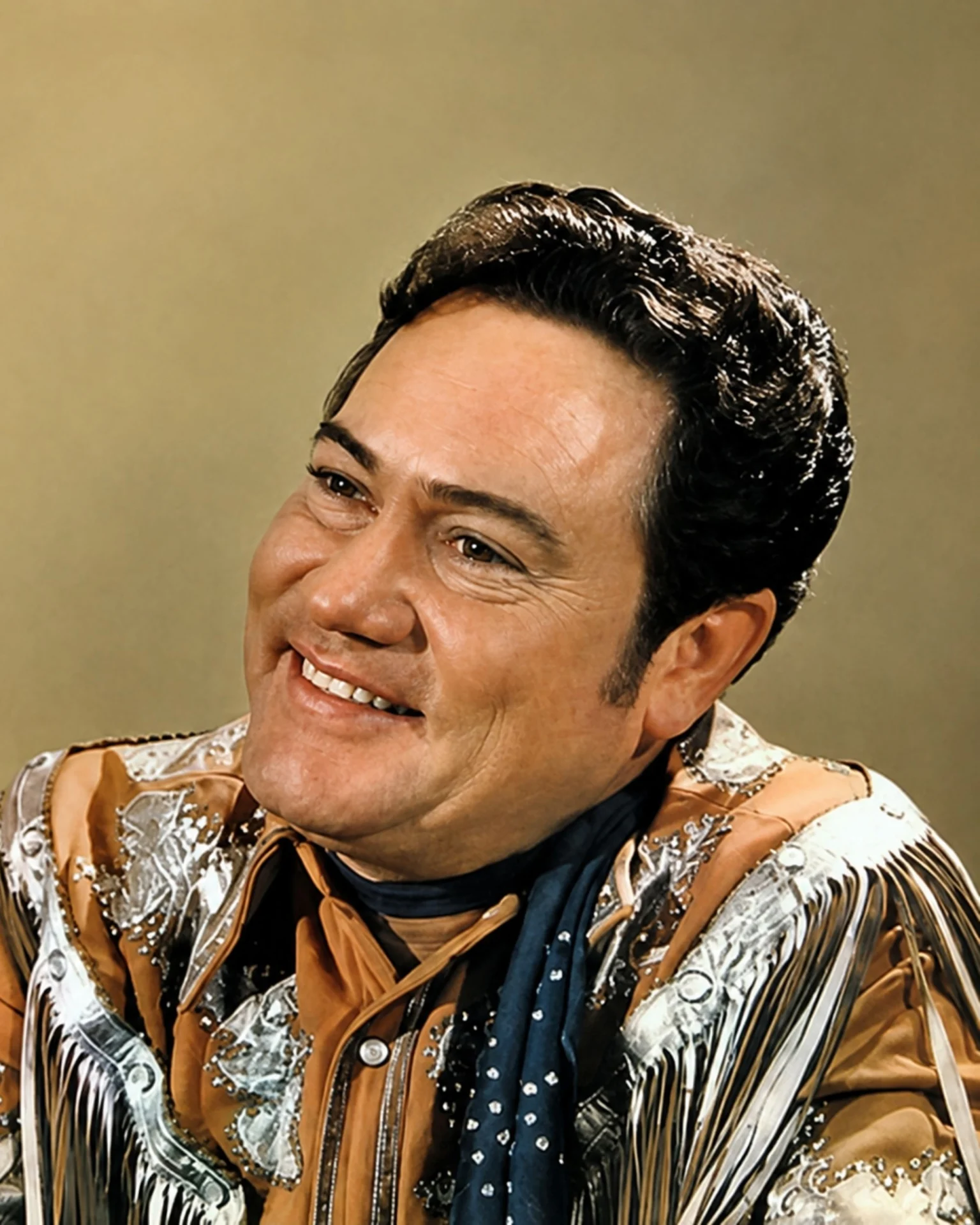
In October 1951, country music had never heard anything like Lefty Frizzell. His voice was everywhere, with four songs in the Top 10 at once. But one of them, Always Late (With Your Kisses), did more than top the charts. It changed how singers understood time itself.
Lefty’s rise happened almost absurdly fast. Only a year earlier, Dallas studio owner Jim Beck heard him performing, brought him in to make demos, and helped get the recordings in front of Columbia producer Don Law. Frizzell’s first Columbia session in July 1950 produced If You’ve Got the Money (I’ve Got the Time) and I Love You a Thousand Ways. Both became major hits.
Then 1951 turned into domination. I Want to Be with You Always spent eleven weeks at No. 1 on one Billboard country chart. Always Late (With Your Kisses) followed with a twelve-week run at No. 1. In October, Frizzell simultaneously placed four records in Billboard’s country Top 10, an extraordinary concentration for one singer.
But the numbers only explain part of why Lefty mattered. On Always Late, he stretched syllables, delayed phrases, and let notes bend around the beat rather than landing squarely on it. The Country Music Hall of Fame later described the performance as a defining example of his revolutionary vocal technique.
The Country Music Hall of Fame later described the performance as a defining example of his revolutionary vocal technique.
That looseness became part of country music’s vocabulary. Merle Haggard later described Lefty as one of his deepest influences. He said singers learned from the way Frizzell held onto words before finally letting them go.
Singers learned from the way Frizzell held onto words before finally letting them go.
Willie Nelson, George Jones, Keith Whitley, and others were also shaped by that phrasing. Frizzell’s commercial peak did not last at the same level. By the mid-1950s the hits had slowed, though Long Black Veil restored him to the Top 10 in 1959 and Saginaw, Michigan gave him another No. 1 in 1964.
His influence moved differently from his chart position. The four Top 10 records eventually disappeared from Billboard. The way Lefty Frizzell bent a line around the beat did not. It passed into Merle Haggard, into Willie Nelson, into George Jones, Keith Whitley, and singers who came long after them. Lefty’s chart reign was brief. His phrasing kept walking.