
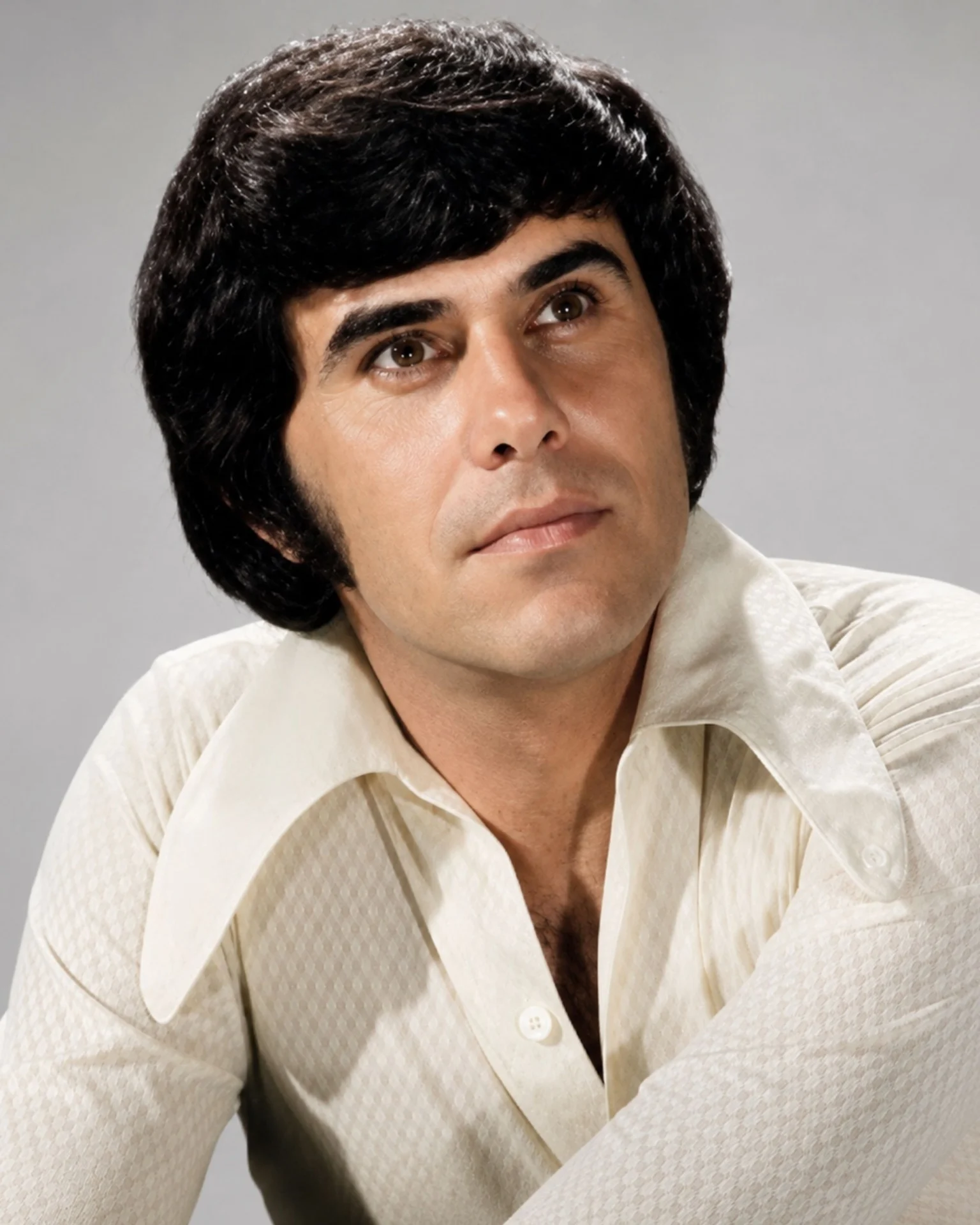
On October 21, 1978, country singer Mel Street ended his life at his Tennessee home. It was his birthday. The same date that gave him life took it away. Street had just signed a major contract with Mercury Records, a moment that should have launched him higher. Instead, it became the final chapter of a story already written in his songs.
Street was not a Nashville prodigy. He grew up in southwestern Virginia, worked as a radio-tower electrician, sang in Niagara Falls clubs, and later opened an auto-body shop in West Virginia. From 1968 to 1972, he hosted a local TV show in Bluefield. His voice was built for hard rooms and harder truths.
His breakthrough came from a song he wrote himself. “Borrowed Angel” first appeared on a small regional label before being picked up nationally. In 1972, it hit the country Top 10. “Lovin’ on Back Streets” followed, reaching No. 5 and becoming his biggest chart success. These songs established his territory: affairs, guilt, secret meetings, and the loneliness left behind.
“He specialized in men already standing on the wrong side of a decision.”
Street’s records like “I Met a Friend of Yours Today,” “Forbidden Angel,” and “If I Had a Cheating Heart” kept him on country radio through the mid-1970s. He did not sing these men as heroes or villains. He simply placed them in the room, closed the door, and let the consequences linger.
But touring and family pressure took a toll. Accounts of his final years describe serious depression and alcohol problems, even as his career moved forward. In 1978, he signed with Mercury Records, a major opportunity that suggested another step up was possible. Then came October 21.
Street died on his birthday. Contemporary sources disagree over his exact birth year, but not the date. The symmetry adds a tragic stillness to his story.
His career did not end immediately on the charts. “Just Hangin’ On” and other recordings appeared posthumously. “Borrowed Angel” grew into a honky-tonk standard, a song other singers return to because its emotional machinery is so simple and so damaging.
Street never reached the fame of George Jones, Merle Haggard, or Conway Twitty. But his best records shared something with theirs. They did not ask whether the man in the song deserved sympathy. They simply put him in the room and left the listener there long enough to feel what cannot be fixed.