
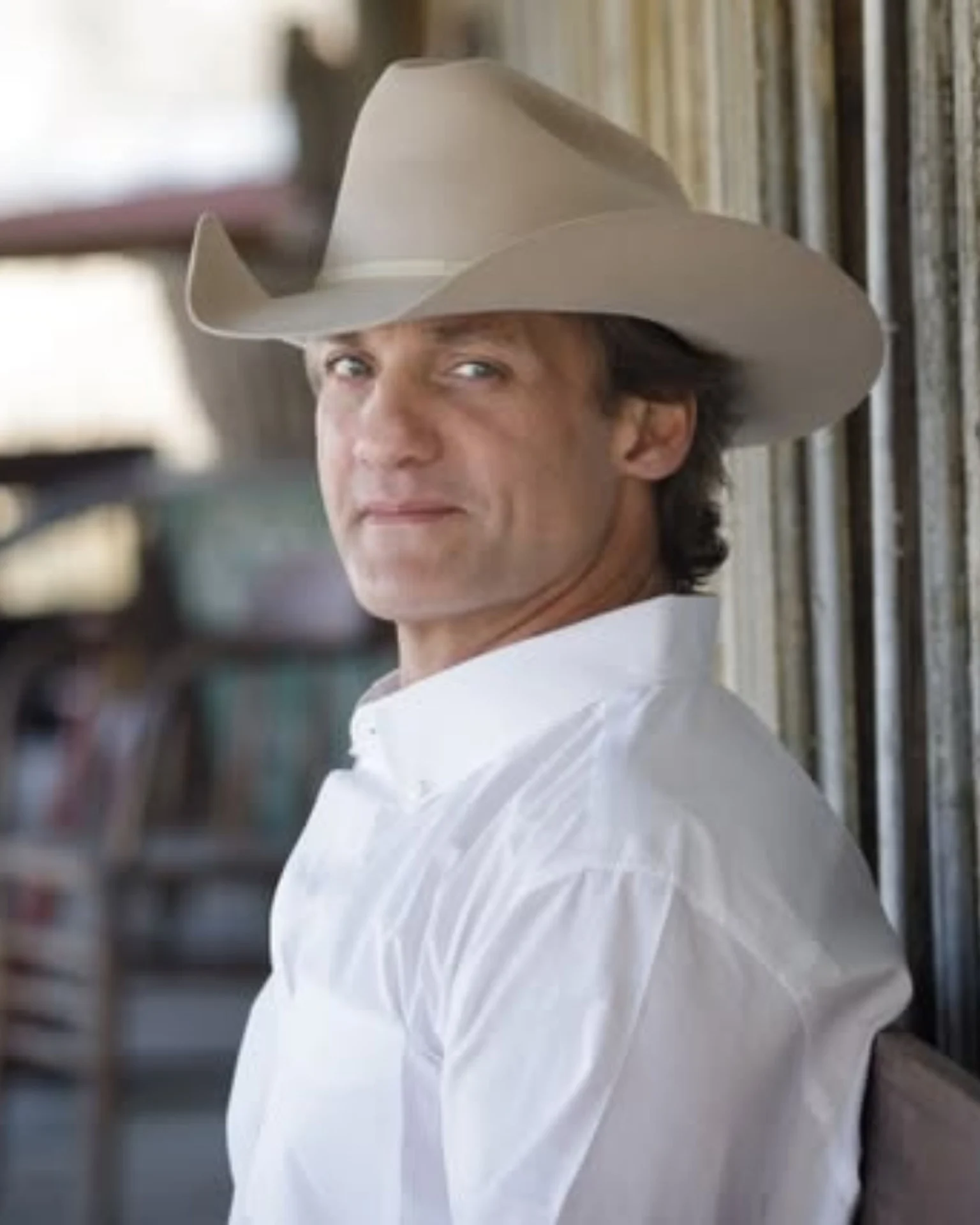
He did not arrive in Nashville with a famous last name. He arrived with a guitar, a demo, and an old Pontiac that would change his life.
Wade Hayes came from Bethel Acres, Oklahoma, where country music felt less like a career scheme than a family heirloom. His father, Don Hayes, had played music for a living before settling into a quieter life, and Wade grew up on the voices that taught a young man what country was supposed to sound like.
Merle Haggard. George Jones. Waylon Jennings.
Those records schooled him before Music Row ever got its chance. They showed him that country never needed to chase the room to own it. A voice, a story, steel guitar, fiddle and a lyric pulled from real life could still hit with full force.
A voice, a story, a steel guitar, a fiddle, and a lyric people could recognize from real life.
When Hayes moved east, he enrolled at Middle Tennessee State University and joined the same uncertain grind thousands of hopefuls had known. Write songs. Cut demos. Knock on doors. Pray someone inside Nashville listened before the money, nerve or time ran dry.
One song started with a car. Old Enough to Know Better, written with Chick Rains, built its hero from young confidence and the trouble waiting past it, a man seasoned enough to see danger yet still green enough to drive straight at it. The Pontiac in the lyric gave the tune what so many Nashville demos lacked, a picture clear in the mind before the chorus even arrived.
Producer Don Cook heard the promise. Cook had already helped turn Brooks and Dunn into a defining act of the decade. After hearing Hayes sing, he helped steer the young Oklahoman to Columbia Records and produced his debut album. Then the demo that had opened the door became the title track.
Released in late 1994, it climbed all the way to No. 1 on the Billboard country chart in 1995.
Suddenly Hayes shared the airwaves with Alan Jackson, George Strait and Brooks and Dunn, keepers of the straight ahead country lane he had hoped Nashville still kept open. His debut album went gold. I’m Still Dancin’ with You, Don’t Stop and What I Meant to Say followed into the Top 10, marking him one of the sharpest new voices in the crowded Class of 95.
He Carried the Old Road Into a New Decade
The strongest thread in his early story is not just the chart topper. It is that he got there without hiding his heroes. Many newcomers chase the future. Hayes arrived sounding like a man who knew the future still needed a road back. His music was no museum piece, yet it honored what came before, and that honesty made the breakthrough ring true.
He had no famous business family behind him. He was no packaged answer to a trend. He brought songs, demos, a guitar and a voice raised on Oklahoma, family music and the records that taught him how sorrow, pride, humor and trouble should sound.
That old Pontiac was more than a lyric. It was the vehicle that carried Wade Hayes into the national country conversation.
Even as the 1990s grew bigger, smoother and shinier, his breakthrough ran the other way. Steel guitar. Fiddle. A young man with a lesson half learned. A Pontiac aimed at trouble. For one brief and telling stretch, country radio made room for it, proof that the road ahead could still sound like it remembered where it began.