
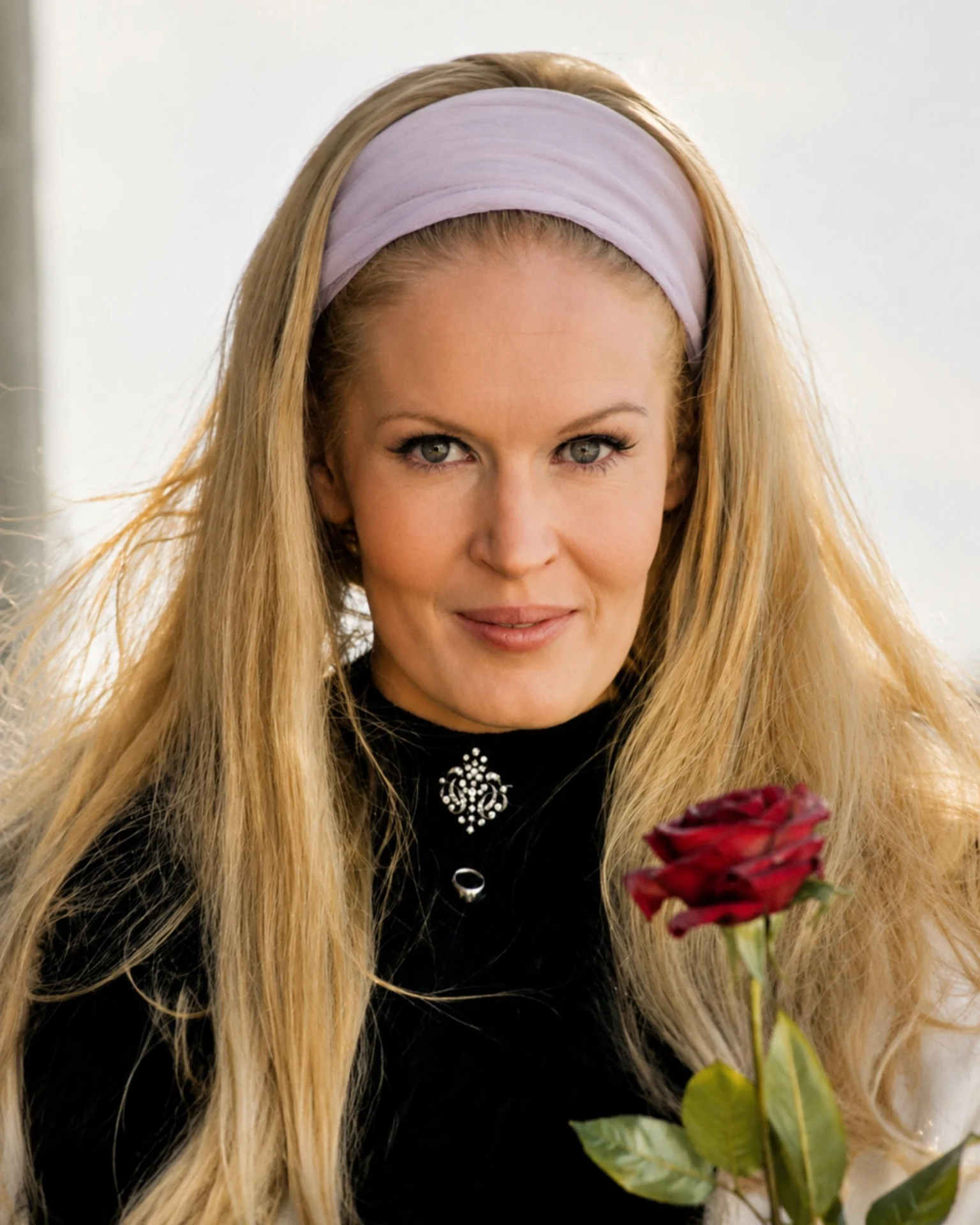
Lynn Anderson would not let go of “Rose Garden.” Her husband and producer Glenn Sutton thought the lyrics belonged to a man. He said no again and again. But Anderson kept bringing the song back. Finally, with studio time running out, Sutton allowed her to record it. That decision changed everything.
By 1970, Anderson was already a country music success. She had chart hits, regular appearances on The Lawrence Welk Show, and a new contract with Columbia Records. Sutton was producing her sessions, crafting a polished sound for her next chapter. But Anderson had her mind set on one song by Joe South.
The problem was the point of view. Lines like “I could promise you things like big diamond rings” sounded to Sutton like a man’s promise. He worried that country audiences would reject those words from a woman. Anderson saw it differently. She believed the song could speak to anyone. She did not ask to rewrite the lyrics. She simply asked to sing them.
She kept asking until there was time left on the clock. Sutton let her record the song exactly as written. She did not soften the perspective or change the words. She sang with confidence as if the song belonged to her. Sutton still thought it was wrong for a single.
Then Columbia president Clive Davis heard the recording. He understood its power immediately. He insisted on releasing it. “Rose Garden” came out in October 1970 and became a phenomenon. It spent five weeks at number one on Billboard’s country chart and climbed to number three on the Hot 100. It became an international hit, reaching the Top 5 in many countries.
The awards followed. Lynn Anderson won a Grammy for Female Country Vocal Performance. The Country Music Association named her Female Vocalist of the Year in 1971. The song that had been questioned became her signature.
She sang the song as if she had the right to stand inside it.
Anderson’s persistence turned a rejected idea into a classic. She trusted the song before anyone else did. And that trust carried her to the top of the charts.