
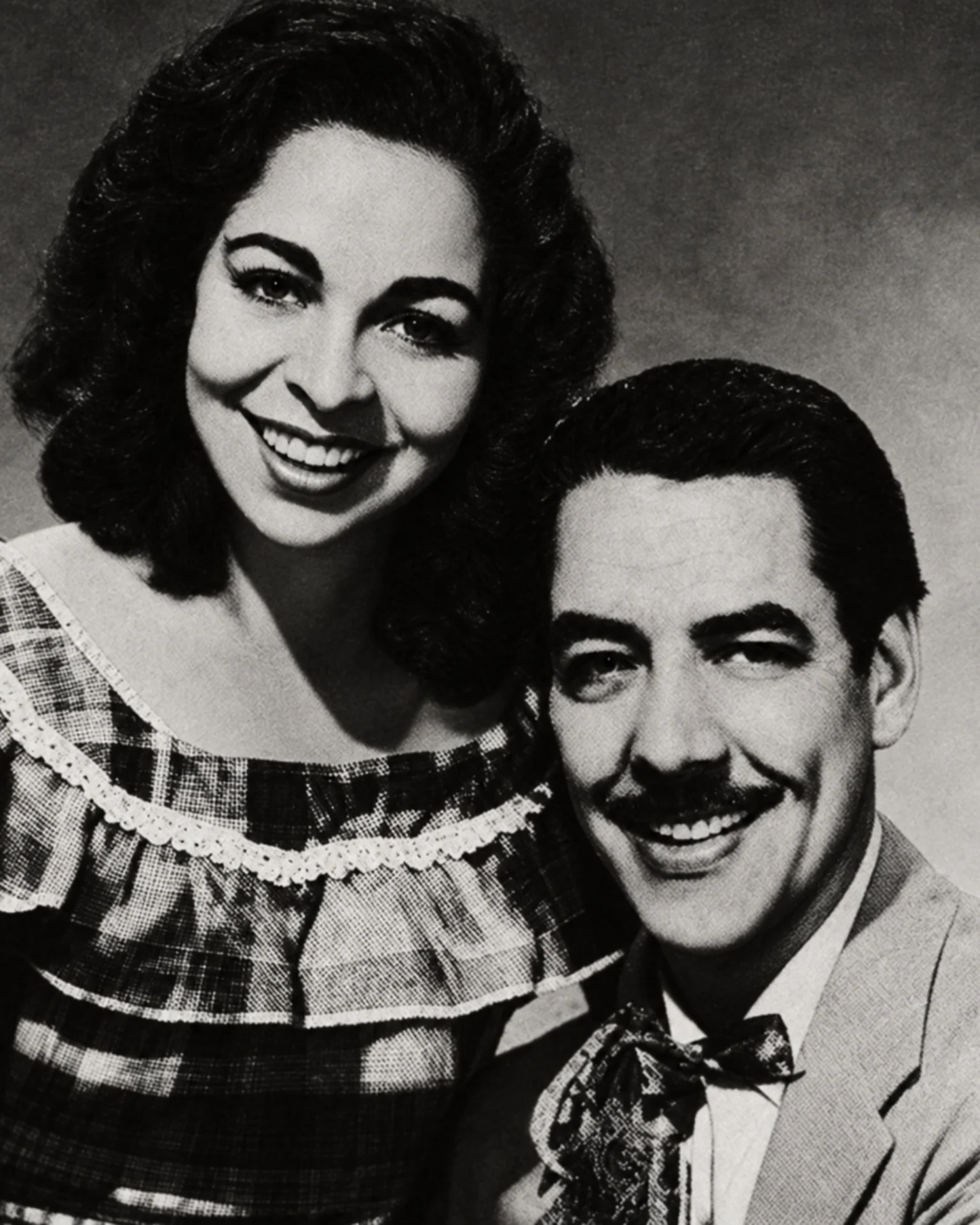
The stage that had held her voice for decades suddenly took it away. In 2001, Wilma Lee Cooper suffered a stroke while performing at the Grand Ole Opry, ending her touring career in the very room that had been her home since 1957.
She came from West Virginia mountain music, where gospel and fiddle tunes shaped a sound that needed no glamour. Beside her was Stoney Cooper, her husband and singing partner. Together they became one of country music’s premier husband-wife duos, known for songs like Sunny Side of the Mountain and Cheated Too.
The music was mountain country at its core. Close harmony, gospel weight, fiddle and banjo, voices that seemed to understand hardship without needing to explain it.
In 1957 they joined the Opry. For two decades they carried that sound together. Then Stoney’s health failed and he died in 1977. Wilma Lee did not stop. She kept the Clinch Mountain Clan moving and continued performing as a widow.
That made what happened in 2001 even more poignant. The same stage that had seen her through marriage, widowhood, and decades of change became the place where her performing career stopped.
The Grand Ole Opry gave Wilma Lee Cooper a home for decades. In 2001 that same stage became the place where her singing life ended.
She recovered enough to return to the Opry but only to greet the crowd. In February 2005, during an Emmylou Harris set, she walked onto the Ryman stage to a standing ovation. The audience rose not for a new song but for all the years she had given.
Wilma Lee Cooper died in 2011 at ninety. Her story is not a clean show-business ending. It is more human than that. A life in music does not always end with a farewell tour. Sometimes it ends because the body makes the decision. The room that gave you a home also becomes the room where you learn you cannot keep doing what you came there to do.