
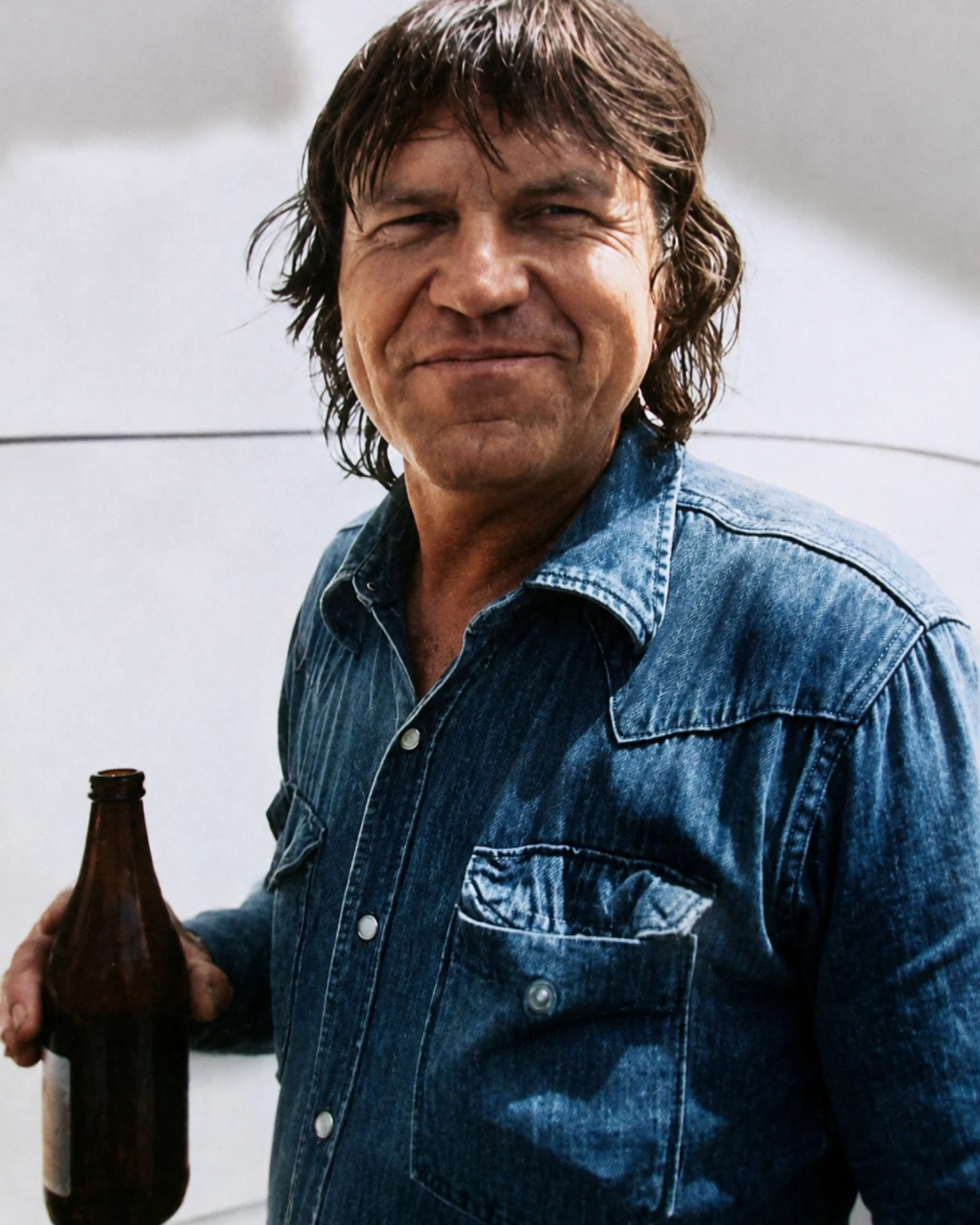
The hallway went quiet the moment Billy Joe Shaver pushed that $100 bill back at Waylon Jennings. He was broke. He needed that money. But he had not traveled to Nashville for charity. He had come because Waylon promised to record his songs, and he refused to leave until that promise became real. So he gave Waylon a brutal choice. Listen to the songs or get whipped right there in front of God and everybody.
Right here in front of God and everybody
That threat changed the direction of country music. Waylon listened. One song led to another, and then to a full album built around Billy Joe Shaver’s work. Honky Tonk Heroes came out in 1973 with nine Shaver songs or co-writes and helped define the sound that fans would soon call outlaw country.
But the drama did not begin in that hallway. It began backstage at Willie Nelson’s Dripping Springs Reunion in 1972. Shaver was passing a guitar around and sang Willy the Wandering Gypsy and Me. Waylon stopped what he was doing, asked whose song it was, learned it on the spot, and said he wanted more.
To Waylon that may have been simple enthusiasm. To Shaver it was a promise.
So Shaver went to Nashville and spent the next six months chasing the busy star. He worked odd jobs to stay alive. He kept knocking on doors and looking for ways to get close. Waylon, already fighting RCA for creative control, kept slipping away. The more Shaver chased, the harder the chase became.
Then a DJ friend called Captain Midnight helped Shaver get into one of Waylon’s recording sessions. This was the chance he needed. Instead of welcoming him, Waylon tried to end the matter with money. He sent over a $100 bill and made it clear that Shaver should take it and disappear.
Shaver needed that money. He was broke enough to feel the weight of the offer. But he sent it back with an insult, and Waylon came storming into the hallway with people around him, demanding to know what Shaver wanted.
Billy Joe answered without blinking. He wanted Waylon to hear the songs. If that did not happen, he would whip Waylon in front of every witness in that hallway.
I will whip you right here in front of God and everybody
The blunt threat finally broke through. Waylon listened to the music, and the songs told him something he had been trying to say on his own records. They were plain, rough, road-worn, funny, and true. They did not flatter him. They spoke at his temperature.
The recording sessions were not peaceful either. Shaver fought Waylon over arrangements and accused him of changing the songs too much. That friction shocked some people, but it made the album stronger. Waylon had just battled RCA for the right to make records on his own terms. Billy Joe wanted the same respect for his words and melodies. Neither man knew how to step aside.
Honky Tonk Heroes did not sound like Nashville business as usual. It was leaner and tougher. It felt closer to the road, closer to the barrooms, and closer to the lives that produced the songs. The album helped name an era before the word outlaw became a marketing package. It answered the question of who should control the sound of a country record. Not the label. Not the producer. The people who lived close enough to the music to know what it meant.
That is the deepest meaning of the $100 story. A backstage promise, six months of chasing, odd jobs, a friend named Captain Midnight, one insulting offer, and a broke songwriter brave enough to send it back. Billy Joe Shaver did not politely wait for Nashville to notice him. He cornered Waylon Jennings and forced the man to hear the songs. That collision gave country music a masterpiece and proved that sometimes the greatest records are born from the wildest resistance.