
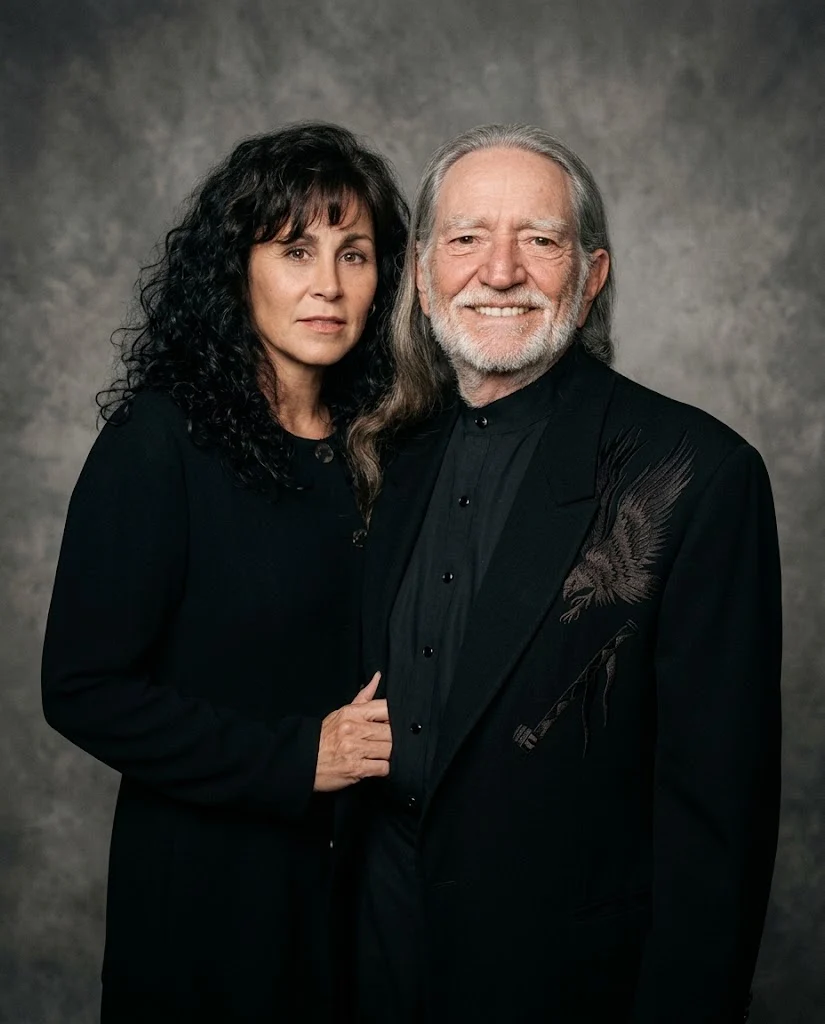
In 1990, Willie Nelson faced a crisis that would have broken most artists. Federal agents stormed his properties across Texas, seizing his ranches, studios, and gold records to cover a staggering $16.7 million tax debt. But before they could catalog his most treasured possession, the outlaw country star made a quiet, decisive move. He called his daughter Lana and asked her to smuggle Trigger, his iconic hole-ridden Martin acoustic guitar, to safety in Maui, Hawaii.
He could accept losing the real estate and the industry accolades. But he knew that as long as he had that specific guitar, he still had his distinctive voice.
The massive tax bill arose from a series of bad investments and failed tax shelters managed by his accounting firm. The IRS handed Nelson the bill in 1990, one of the largest individual levies in American history. Within weeks, his bank accounts were frozen, his Pedernales Country Club padlocked, and his collection of platinum records seized.
But the guitar’s story began twenty-one years earlier. In 1969, a drunk fan accidentally stepped on Nelson’s Baldwin acoustic guitar during a show at John T. Floore Country Store in Helotes, Texas. Desperate for a replacement, he called Nashville luthier Shot Jackson, who offered a Martin N-20 classical guitar for $750. Nelson bought it sight unseen and had the internal pickup from his broken guitar installed. The result was the warm, nylon-string tone that would become his signature.
With Trigger hidden safely in Hawaii, Nelson refused to declare bankruptcy. Instead, he negotiated an unprecedented deal with the federal government. In 1992, he released The IRS Tapes – Who’ll Buy My Memories?, a stripped-down acoustic album recorded with only his voice and Trigger. Every cent of the profits went directly to his debt.
The public response was astonishing. When the government auctioned his seized belongings, fans, farmers, and fellow musicians formed groups to bid on his ranches and memorabilia. Then they turned around and handed the deeds and items back to Nelson. The album sales, combined with a grueling tour schedule, allowed him to pay off the entire $16.7 million debt by 1993.
The government could put a price tag on a recording studio, but they could never quantify the bond between a storyteller and his audience. Nelson kept Trigger, and that was all he ever needed.
Willie Nelson’s financial disaster became a testament to his resilience and the loyalty he inspired. He lost an empire, but he kept his guitar — and his voice.