
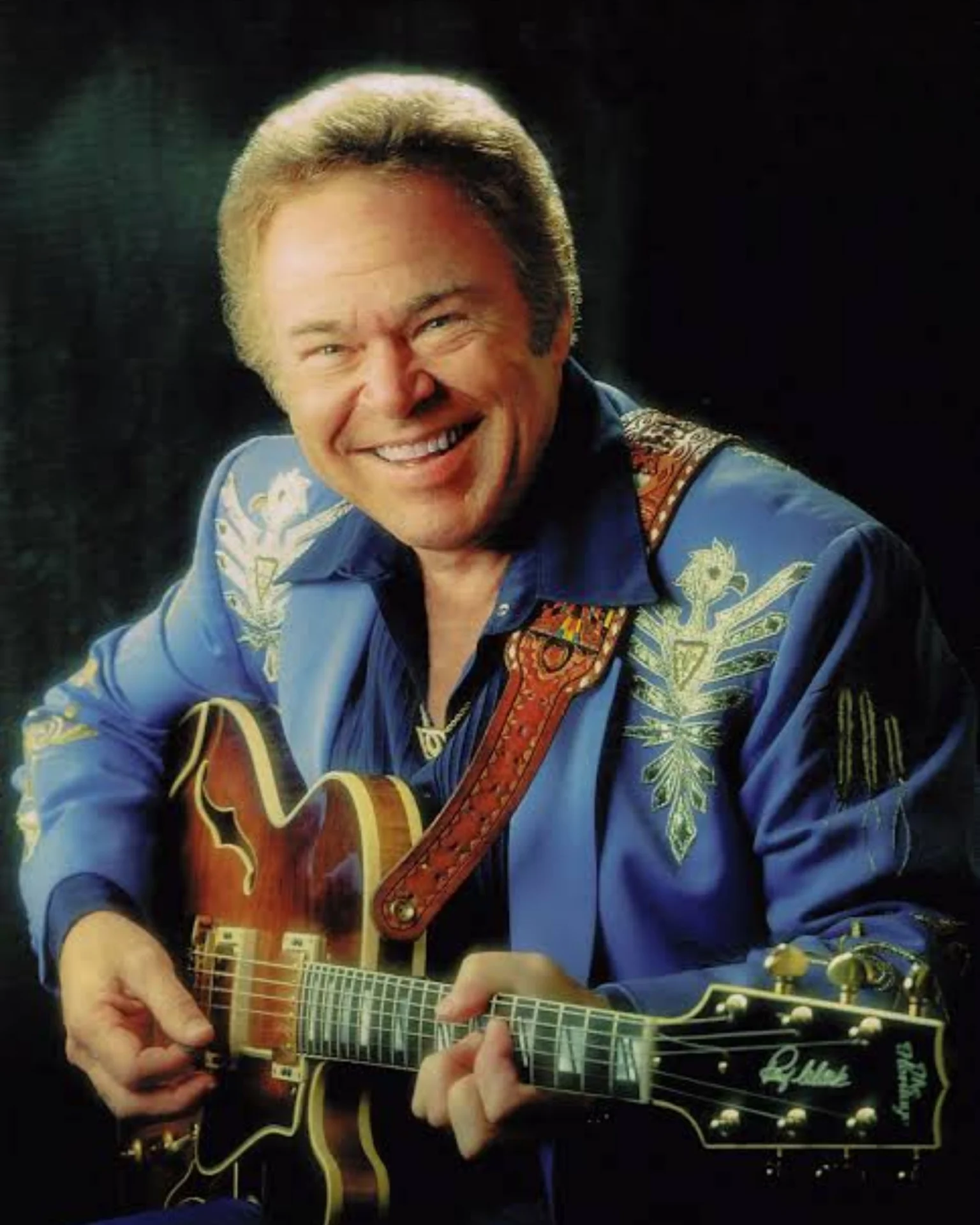
The applause for Roy Clark’s singing was polite. Then he lifted his banjo and the room erupted. At the Rossiya Hotel in Moscow on January 28 1976, a crowd of thousands forgot the cold outside and the watchful eyes of Soviet officials. They had come to see a man known mostly for his grin on American television. What they found was a musician whose fingers spoke louder than any lyric.
When the singing stopped and the banjo began the applause grew louder
Roy Clark arrived with a company that included the Oak Ridge Boys and banjoist Buck Trent. They had already performed in Riga and Leningrad. The winter tour lasted three weeks and drew more than 57,000 people according to contemporary reports. Clark later said he was told they could have stayed two more weeks and still filled every hall.
Clark was not the first country performer to visit the Soviet Union. George Hamilton IV came in 1974 and Tennessee Ernie Ford led an Opryland group later that year. But Clark headlined his own complete show a distinction that matters. He brought a full American road show with pacing comedy and ensemble changes adapted to stages managed by the state cultural bureaucracy Gosconcert.
The tour operated inside official cultural exchange. Lyrics were submitted for Soviet approval before the company arrived. Government agencies controlled the halls programs and access. Opening night seats went largely to officials and their families. Yet later performances drew younger audiences and the response did not follow the expected hierarchy of American hits.
Clark’s vocal records received polite applause. The banjo instrumentals brought the strongest reaction. Those pieces required no translated lyric and offered little for a censor to remove. The speed of Clark’s right hand the visible exchange between musicians and the structure of a tune moving cleanly through a room could be understood before anyone explained what country music represented.
The least verbally explicit part of the show traveled furthest
The American Embassy watched the coverage closely. A diplomatic cable noted the unusually favorable attention Clark received from Soviet newspapers and radio. Programs used selected recordings before the concerts and an interview with Clark aired afterward. A planned television recording became entangled in an internal dispute between Gosconcert and state television.
Clark returned home during America’s Bicentennial year carrying a new ceremonial title country music’s International Friendship Ambassador. But the clearest record of the tour was already inside those halls. When the singing stopped and the banjo began the applause grew louder.
This tour did not thaw the Cold War. It did not free its audiences from state control. Yet the controls never accounted fully for the sound inside the room. At the Rossiya Hotel officials in heavy coats and young people desperate for tickets had both come to hear something that needed no translation. Clark gave it to them without a single word.