
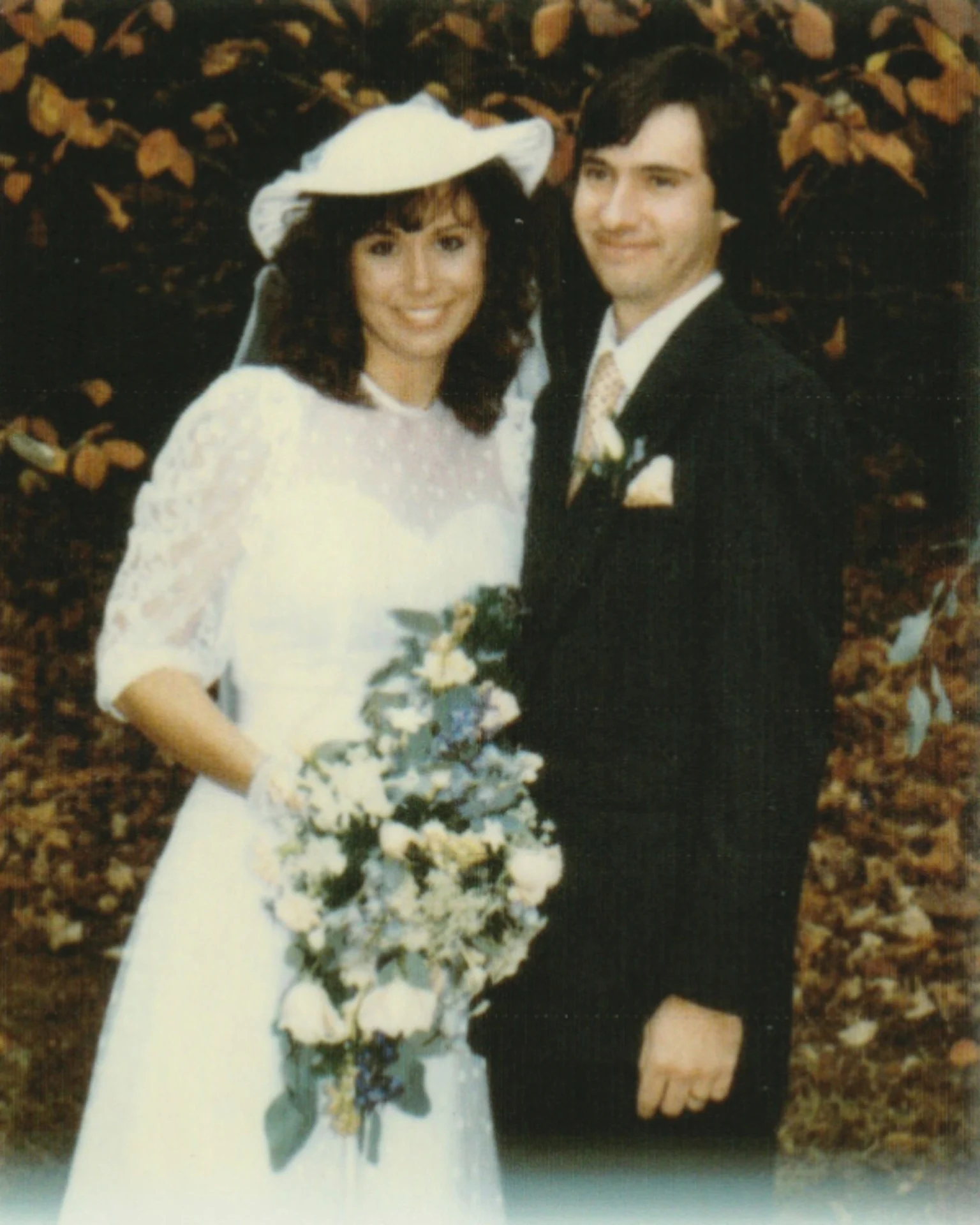
The cassette on a small park table did what years of hoping in Nashville had not yet done.
It brought Capitol Records to Suzy Bogguss.
She was singing beside a coal fired train at Dollywood in 1986 during the park’s first season. Coal smoke drifted across her daytime performances as the train passed close enough for her to think about what it might be doing to her lungs.
Four times each day she stood alone with her acoustic guitar near the steam train station and sang for visitors moving between rides and shops.
In the evening she changed roles and became the female lead in a jamboree backed by a full band.
Then she sold the cassettes she had made for the very audience she was meeting there.
Four sets. An evening show. Another cassette across the table.
The Road Came Before Nashville
Suzy Bogguss grew up in Aledo, Illinois and began performing long before she had a clear path into country music.
She studied piano as a child, played percussion through school and eventually settled most naturally behind an acoustic guitar.
While attending Illinois State University she sang in local coffeehouses and learned that performing could bring modest pay along with food and beer.
After college she chose movement over security.
Bogguss traveled alone as a folk singer through coffeehouses, clubs and ski resorts around the country. For part of that time she lived from a camper truck accompanied by her dog and cat.
By 1985 she had moved to Nashville where talent was common and a record contract still remained distant.
An Audience That Taught Her What Fit
Dollywood was not glamorous work, but it gave her repeated contact with a real country audience.
Visitors knew the artists behind the songs she introduced. Their reactions taught her which material belonged naturally in her voice.
That daily education became the heart of the cassette. It was merchandise, and it was also evidence.
Anyone considering her as a recording artist could hear more than a few disconnected demonstration tracks. They could hear the musical identity she had been refining in front of paying visitors several times a day.
A copy reached Capitol Records and label representatives traveled to Dollywood to watch her perform.
Bogguss later recalled that three weeks after the visit she had a contract.
The label had not asked her to come and show who she might become. Its representatives came to see the working artist she had already made herself.
Success Took Longer Than The Signing
The agreement did not create immediate stardom.
Several early singles struggled before Cross My Broken Heart and Someday Soon established her.
Her 1991 album Aces eventually went platinum and she received the CMA Horizon Award the following year.
The commercial records extended the same method she had learned at the park. She kept selecting songs carefully, paid close attention to how material sat inside her voice and held on to a direct relationship with listeners.
She later explored western swing, jazz, folk standards and independent recording rather than staying inside one narrow commercial identity.
When the major label system no longer offered the same support she returned to skills she had developed before the contract, producing projects, communicating directly with fans and creating music for an audience she knew was there.
The Small Sale Held A Larger Independence
Many discovery stories place all the power in the person who recognizes the artist.
Bogguss had already changed that balance before Capitol arrived. She had chosen the material, made the recording, carried copies to work and persuaded listeners to buy them.
She had built a miniature record business around her own performances with a simple system of singing, observing, adjusting, recording and placing the music directly into listeners’ hands.
The label could expand what she started. The label did not invent it.
Long before artists were expected to manage their own audiences Suzy Bogguss stood beside that train selling the record that explained why a label should come looking for her.
The cassette did not bypass the work. It contained the work.
Scroll down to the end of the article to listen to the music.