
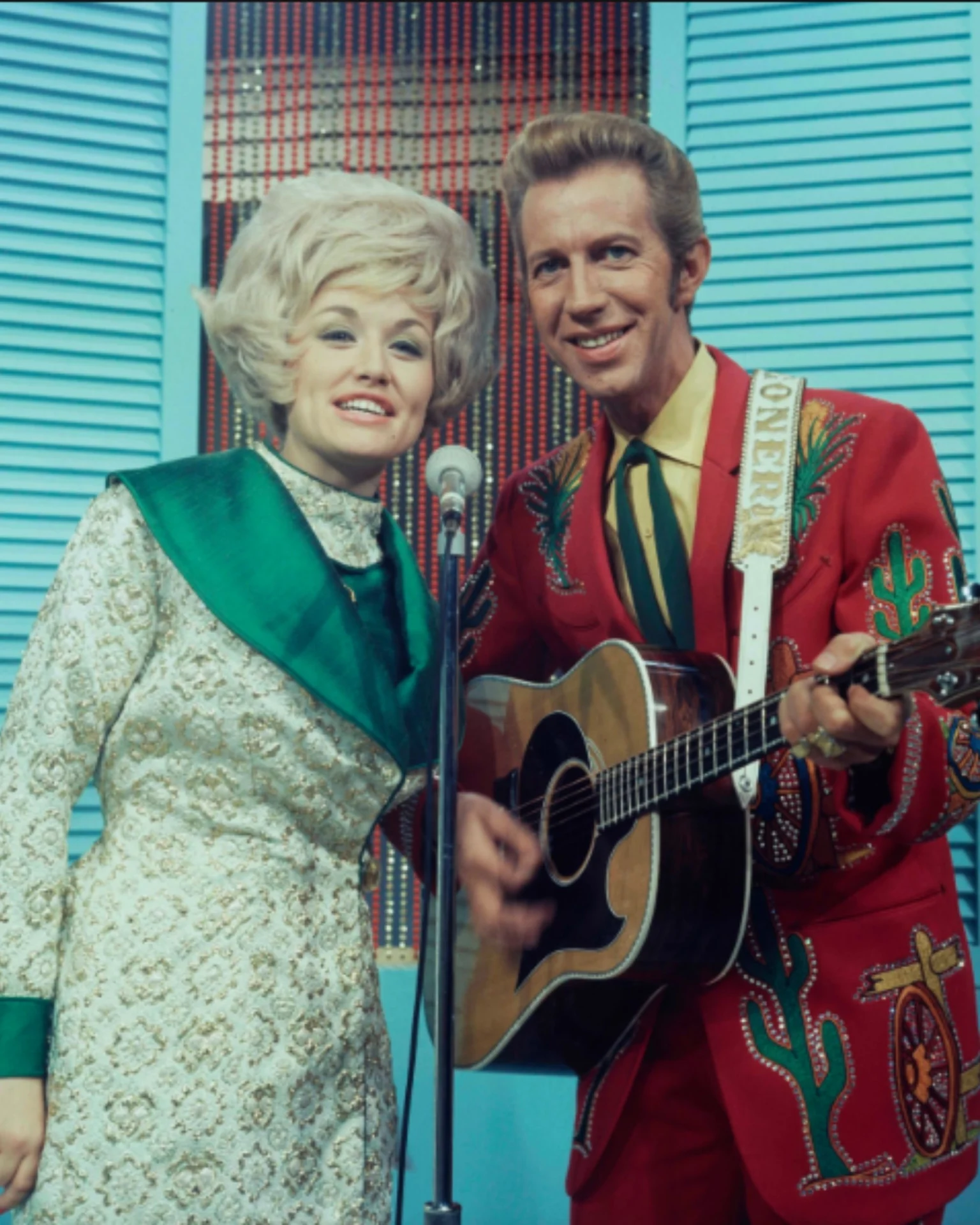
A rhinestone-clad host stood center stage. Behind him, a band, a comedian, and a revolving door of singers. But this was not just entertainment. It was a pipeline. The Porter Wagoner Show brought country music into living rooms across America, and along the way, it introduced the world to legends who had not yet become household names.
When the show debuted in 1960, sponsored by the Chattanooga Medicine Company, it looked like a simple package show moved indoors. The format was modest: a host, the Wagonmasters band, comedy from Speck Rhodes, a featured female singer, and guest performers. But its reach was anything but modest. Syndication expanded to nearly 100 television markets, reaching more than three million viewers each week.
At a time when network television was reshaping American culture, Porter Wagoner refused to sand away country music’s identity. He kept the fiddle, the banjo, the rhinestones, and the rural humor. The show became a weekly doorway for viewers far from Nashville.
Future giants passed through that doorway early. Willie Nelson appeared before most of America understood his artistry. Waylon Jennings stepped onto the stage before outlaw country defined his career. In 1967, songwriter Hank Cochran performed a medley of his hits including I Fall to Pieces and Make the World Go Away — a rare chance for viewers to see the hidden machinery of Nashville.
The most consequential arrival came in 1967 when Norma Jean left the show. Porter brought in Dolly Parton. At that point she was a promising singer and songwriter, but not yet a global figure. The weekly exposure in front of millions of country viewers helped RCA sign her as both Porter’s duet partner and a solo artist.
The show helped turn Dolly from a talented newcomer into a national country name.
That is the deeper historical value of the show. It did not merely preserve old-fashioned country. It became a bridge between generations. Established Opry figures stood on one side, future stars on the other. All of it reached millions.
Porter Wagoner’s rhinestone suits made him easy to remember. But the deeper legacy was how he used the camera as infrastructure. He built a televised home for country music — a home that had room for comedy, gospel, duets, guest stars, rising writers, and young singers. He made the screen serve the song.
The show’s legacy is not just the numbers — 100 markets, three million viewers — but what Porter chose to do with that reach. He kept a whole ecosystem visible: the stars, the sidemen, the songwriters, the comedians, and the young voices waiting for their turn. The rhinestones caught the eye, but the doorway he opened for future legends truly changed country music.