
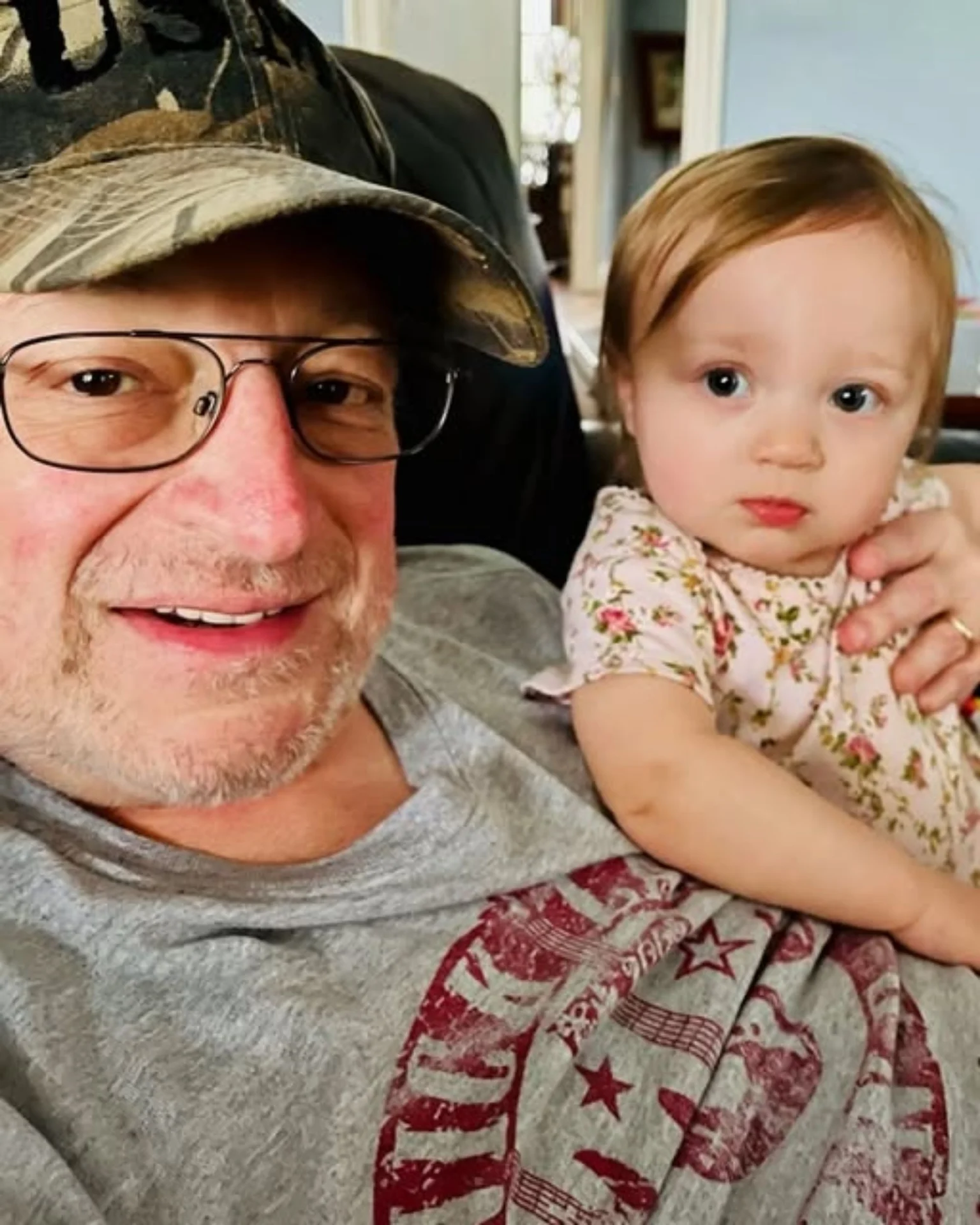
His father died in 1990 just as the national career he had helped build for his son was finally beginning, leaving a quiet ache behind Mark Chesnutt’s long awaited breakthrough.
Cutter’s had not been a waiting room for Nashville, for Chesnutt and Byrd it had been the training ground.
Mark Chesnutt grew up only a few miles, culturally and geographically, from the world that had produced George Jones. His father Bob Chesnutt was a local singer and serious country record collector who never achieved national success.
Mark absorbed his father’s records, began playing clubs with him as a teenager and even left high school for a period because music had become more important.
Early Nashville Trips That Went Nowhere
At seventeen Bob began taking his son to Nashville to record. Nothing exploded.
Instead Mark returned to southeast Texas and spent much of the 1980s doing it the old way with small regional labels, long nights and honky tonks. Eventually he became the house headliner at Cutter’s in Beaumont.
And there was another young Beaumont singer nearby. Tracy Byrd sometimes performed in Chesnutt’s band before either man became nationally famous.
When Music Row Came To Texas
By the end of the decade Chesnutt had built enough of a following that the normal audition process effectively reversed itself. Instead of Mark repeatedly going to Nashville, Music Row executives came to Texas to watch him work in his own room.
In 1989 MCA Nashville signed him. His major label debut arrived the following year with “Too Cold at Home” reaching No. 3. Then came “Brother Jukebox.”
That song had already traveled through some remarkable hands. Don Everly recorded it years earlier and Keith Whitley included his version on I Wonder Do You Think of Me. Neither turned it into the hit Chesnutt did.
His recording reached No. 1 in 1991. Too Cold at Home ultimately produced five Top 10 singles and went platinum. Chesnutt went on to become one of the decade’s most dependable traditional country singers.
Success Arrived With His Father Gone
Bob Chesnutt had supplied the records, put Mark onstage as a teenager and drove him to Nashville before anyone there cared. Mark later said he had expected his father to be part of what was finally happening.
The Beaumont circuit kept producing another story anyway. Tracy Byrd subsequently signed his own MCA deal and broke through in the early 1990s. The two singers who had once shared the same local honky tonk world were suddenly occupying country radio at the same time, proving those Texas rooms had sharpened them both long before Nashville arrived.