
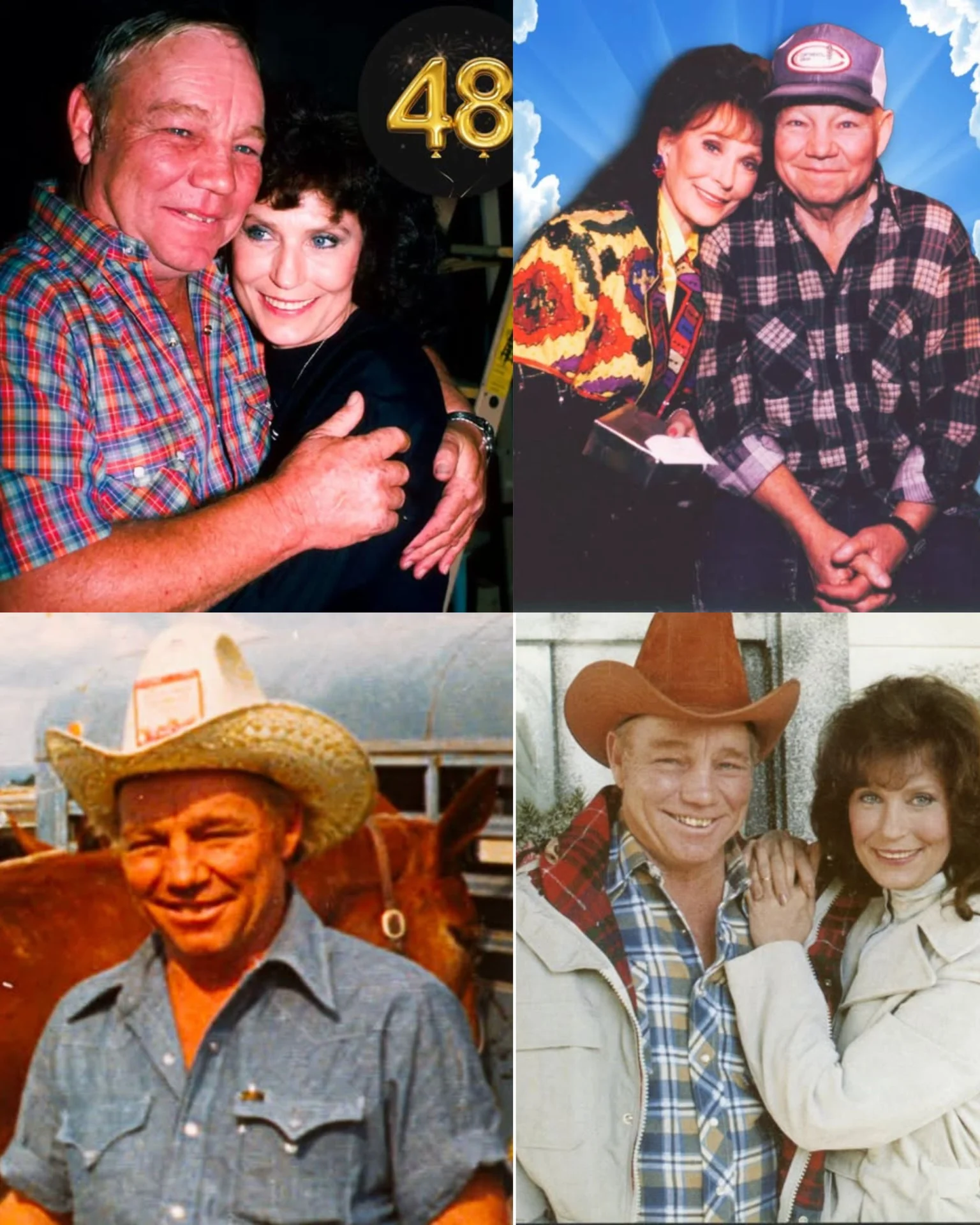
Before Nashville, before the Grand Ole Opry and before the No. 1 records, Loretta Lynn was a young mother learning chords in Washington while her children still needed her at home. The first person who treated her like a future country singer was not a producer or a record executive. It was her husband, walking through the door with a seventeen dollar guitar from Sears.
Doolittle Lynn brought that guitar home after hearing his young wife sing around the house in Washington State. Loretta had grown up in the Kentucky hills, and those hills were far behind her now. Music still lived in ordinary places for her, in kitchens, in daily chores and in the songs she remembered hearing on the radio.
Kitty Wells was the voice she loved most. No one in the family was seriously discussing a recording career yet, because daily life was already full. Doo was the exception. He heard something more in those songs sung around the house.
Before Anyone Else Believed It
Doo began telling people Loretta could sing better than almost anybody except Kitty Wells. Then he arranged for her to appear at a local Grange hall, giving that bold claim a real place to be tested.
His confidence embarrassed her, but it also pushed her forward and gave her a beginning. She learned enough chords on the Sears guitar to accompany herself, began performing with a local band and, within months, had a band of her own.
The first believer was the man waiting at home, and he expected her to use that guitar.
A Career Built Around Children
The timing could hardly have been harder. Loretta had married young and left Kentucky for the first time when the couple moved west. She was already a mother while most girls her age were still finishing school, and by twenty two she had four children.
Rehearsals and performances had to fit around a household that did not disappear simply because audiences had started applauding her. The children still needed looking after, the home still needed care and Nashville still felt very far away.
Doo Kept Pushing Her Forward
Doo helped arrange appearances and kept encouraging her to perform. More than that, he carried a confidence Loretta did not yet have for herself and treated the possibility of a real career as serious long before there was much evidence the music business ever would.
Their marriage would later feed some of her sharpest songs, with jealousy, anger, betrayal and loyalty written about with unusual frankness. At the start, though, his role was far more practical and simple.
He bought the instrument.
From Washington Halls To Nashville
The performances slowly grew beyond Washington dance halls and local rooms. In time there would be Nashville, the Grand Ole Opry, No. 1 records and songs that changed what women could say openly in country music, allowing them to speak far more directly than they had been encouraged to speak before.
None of that future was visible when Loretta first wrapped her fingers around the neck of that inexpensive Sears guitar. She was still learning where to place her fingers, still raising her children and still figuring out what that music could become.
That is why the seventeen dollar guitar survived in the family story. It belonged to the moment before success had any shape, when the dream was still sitting in a Washington home and the man who believed first had simply brought it home and put it in her hands.
Scroll down to the end of the article to listen to the music.
Video