
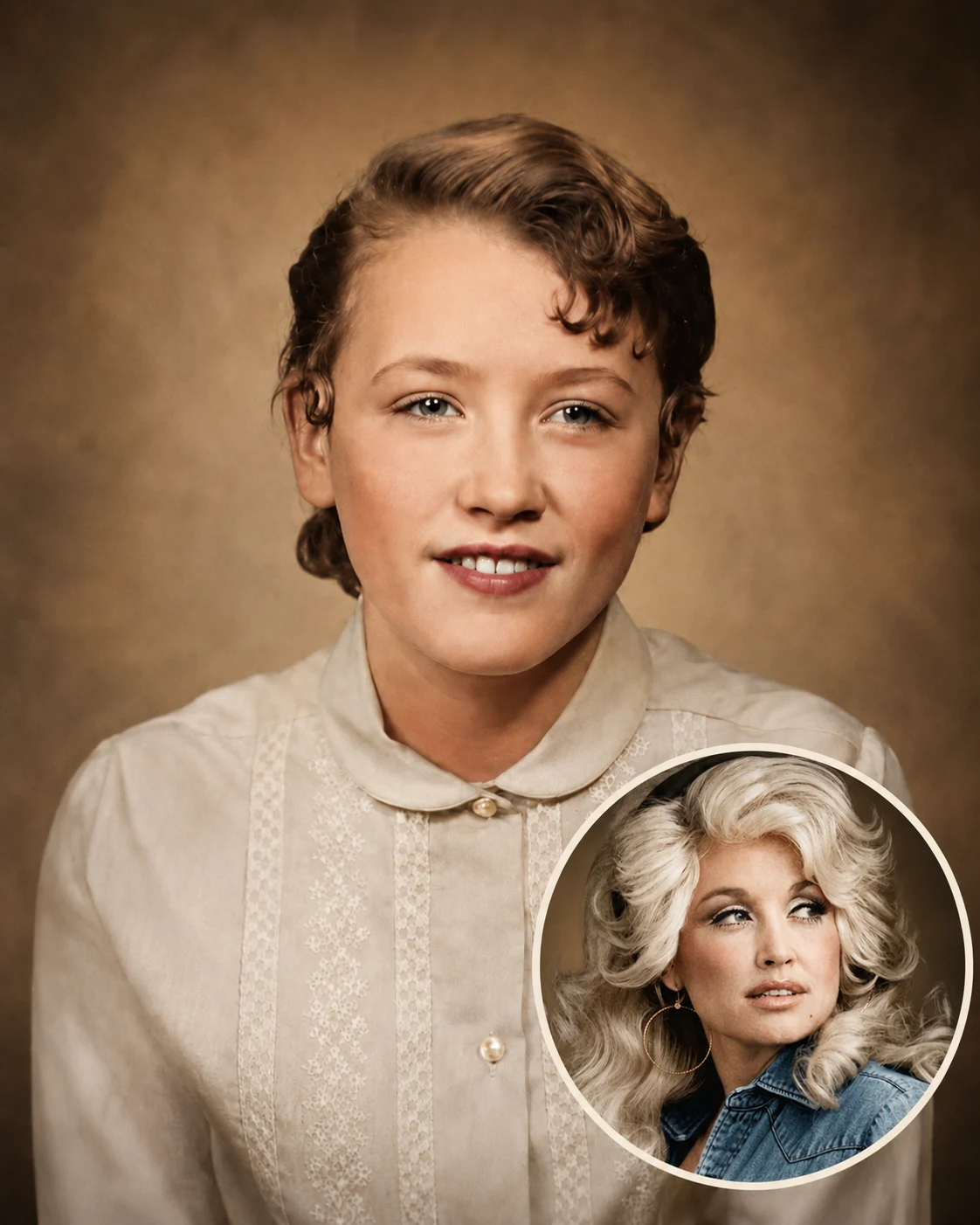
A kitchen floor became the birthplace of a country music revolution. Loretta Lynn swept up after another storm with Oliver “Doolittle” Lynn, then grabbed paper and turned the ache into a song millions would call their own.
She built a lasting catalog of country masterpieces, and the source material came from the hardest parts of her home. It did not come from polished Nashville imaginations. It came from late nights, broken promises, and women standing their ground.
For decades audiences watched her command national television broadcasts and stadium stages. She projected the image of a fearless woman who refused to back down. The foundation of that public strength was a highly turbulent marriage to Oliver “Doolittle” Lynn.
Many people remember him as the man who bought her first guitar. He purchased a $17 Harmony acoustic guitar when she was a young mother in Washington state. He pushed her onto local tavern stages because he saw a raw talent she had not yet seen in herself.
He also brought constant volatility into their daily routine. His severe drinking, sudden outbursts, and frequent wandering made their partnership deeply difficult. That exact turbulence became the creative engine of her career.
There was no quiet writing room in the beginning. She wrote her earliest standards in the immediate aftermath of their arguments. She retreated to a corner of the house and scribbled lyrics on scrap paper, grocery receipts, or the margins of household bills.
She wrote while sweeping up the kitchen, canning vegetables, and managing a crowded house of children. The anger was immediate, and the words went down before the emotion could settle.
She carried unfiltered living room conversations straight to Decca Records. When she walked into producer Owen Bradley’s studio in Nashville, she did not soften the edges of her domestic life for polite radio programmers.
When Doolittle would stay out all night, she documented it rather than hiding it. That honesty led to “Don’t Come Home A Drinkin (With Lovin On Your Mind)”, a milestone record that permanently shifted the tone of country music.
The song is a blunt rejection of a husband coming home late and expecting affection after a night of heavy drinking. It firmly established boundaries in a genre where female artists had traditionally sung passive, sorrowful ballads about weeping over a leaving man.
“No, don’t come home a drinkin with lovin on your mind.”
Working class women across the country bought the record by the millions. They recognized the reality of their own complicated kitchens and silent frustrations in her voice.
Loretta admitted that she never wrote a single song that did not feature her husband in some way. Every track held a piece of his misbehavior, even if he never quite figured out exactly which line he was in.
The profound paradox remained rooted in that dynamic. They stayed married for nearly fifty years, weathering chaos, massive fame, and the public airing of private grievances. Doolittle stood by while she recorded hit after hit holding him accountable, earning a fortune from stories of his own flaws.
She survived the turbulence of her marriage not by walking away, but by broadcasting the truth of it to the world. She took the raw and bitter reality of a flawed partnership and forged an unmatched legacy of honesty.
Doolittle provided the heartbreak. Loretta provided the microphone.