
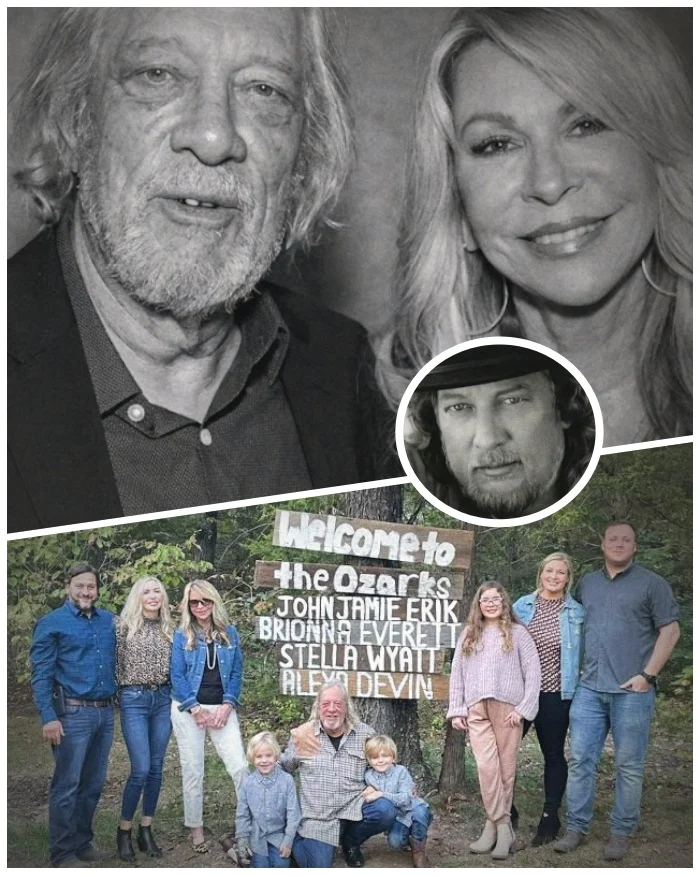
On a quiet porch in Smithville, Tennessee, John Anderson once sat through long mornings wondering if he would ever sing again.
Between 2017 and 2019, severe health setbacks and inner-ear trouble had stolen the sound of his own voice, his touring band had been let go for about a year, and retirement felt close. Beside him was Jamie, the woman he had married in 1983, offering prayer, patience, and the kind of steady conversation that needs no audience.
The peace of those woods was worth more than any chart position could ever offer
That porch had been his anchor for more than four decades, ever since a choice that surprised Nashville. Anderson was born in Apopka, Florida, and when he first came to Tennessee in the 1970s to chase a recording contract, he worked by day on the roof of the new Grand Ole Opry house and sang in small clubs by night.
By the early 1980s, Wild and Blue and his crossover smash Swingin had made his unmistakable voice a staple of American country radio and turned him into one of the brightest stars in the genre. The momentum could have pulled him deeper into Music Row, its mansions, and its industry parties.
Instead, in 1983, he married Jamie and the newlyweds moved roughly sixty miles east of Nashville to a rural property near Center Hill Lake in DeKalb County. Surrounded by timber, open water, and quiet country roads, they traded business connections for trees, lake air, and uninterrupted family dinners. For a private man, the distance was deliberate.
On that Smithville farm, John and Jamie raised their two daughters, Lexi and Brianna, far from the pressures of the entertainment business. Between long stretches on the tour bus, Anderson came home to fish on the lake, work his land, tend his garden, and simply be a husband and father.
Jamie stayed firmly out of the media spotlight while holding their home together for more than forty years. That steadiness mattered in the late 1980s, when major labels briefly drifted away from his hard-edged traditional sound. He roared back in the early 1990s with Straight Tequila Night, Seminole Wind, and Money in the Bank.
After his 2024 induction into the Country Music Hall of Fame, Anderson admitted that living an hour outside Nashville probably cost him some commercial opportunities because he refused to play industry games. He never regretted the trade, because the woods and wildlife of DeKalb County gave him a calm that success alone could not buy.
He did not need the spotlight to feel at home, he needed the land and the family who shared it
That home was tested again in the late 2010s, when his health faltered and his voice felt out of reach. Yet recovery opened an unexpected door. A friend asked to pass his phone number to Dan Auerbach of The Black Keys, who invited him to his Easy Eye Sound studio in Nashville just to try writing a few songs together.
Over several months, the pair co-wrote roughly twenty tracks. Although Anderson first doubted he was physically ready to make an album, he stepped to the microphone and recorded the acclaimed 2020 project Years, a creative rebirth he later credited with helping him heal.
Even as that record introduced his artistry to a new generation and led to acoustic tours alongside his friend Glenn Rief, Smithville remained his anchor. His main goal in those later seasons was saving enough energy to garden, fish, and play with his grandchildren on the land he and Jamie had built together.
Living sixty miles from the spotlight may have kept John Anderson at the edges of the music business, but it gave him a forty-three-year marriage that never shifted with the charts. The hits made his name known across America, yet the real measure of his life stayed on a quiet porch in Smithville with the woman who had walked beside him from the very beginning.