
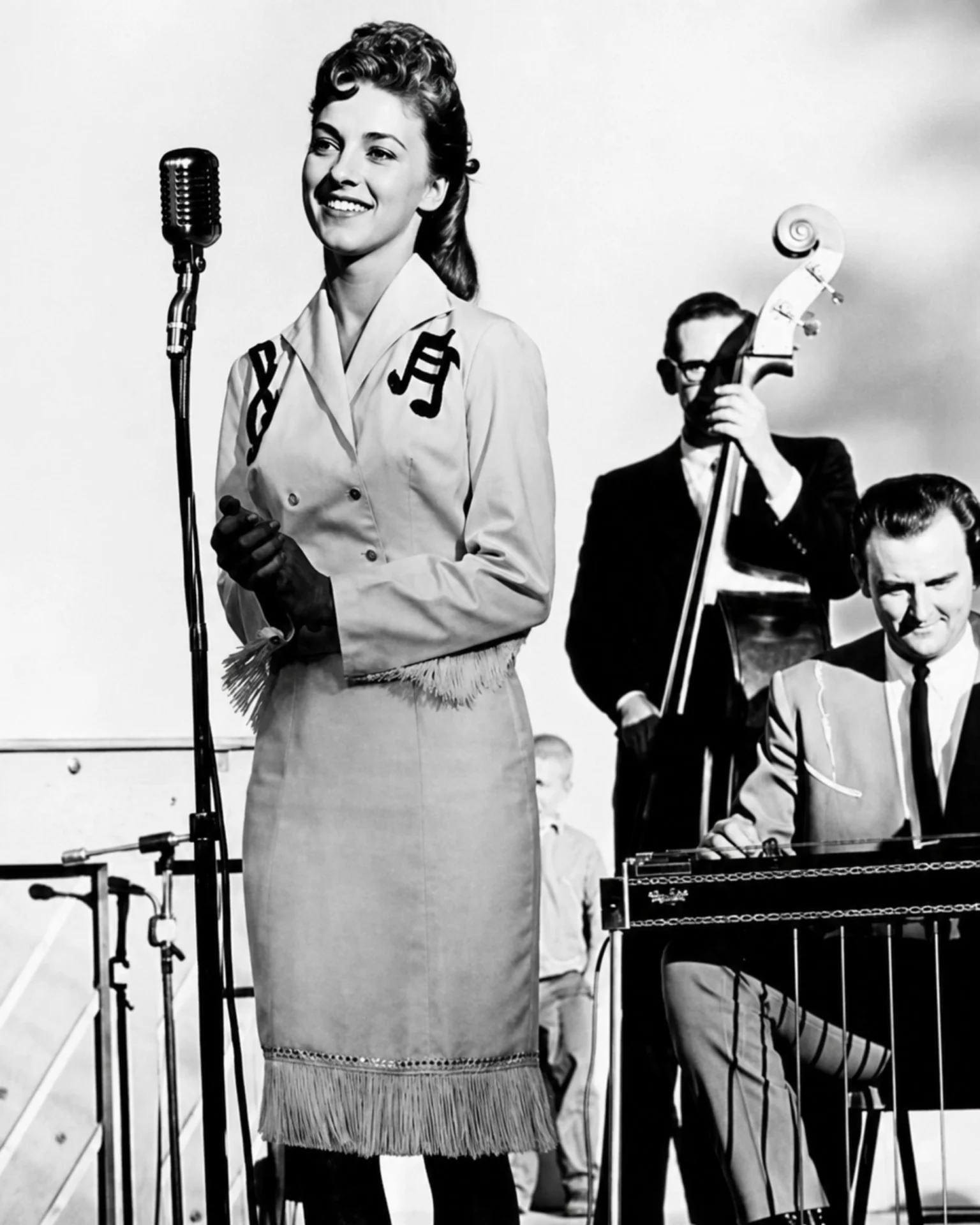
Connie Smith was just eighteen when a lawnmower accident left her recovering at home in Ohio. She was a young wife and mother with no plans for a music career. But during those long days of healing she taught herself to play acoustic guitar. Music shifted from a love into a lifeline
Then in August 1963 someone persuaded her to enter a talent contest in Columbus. The prize was five silver dollars and a chance to perform that evening on a show featuring Grand Ole Opry artists. Smith won. One of the headliners was Bill Anderson
Anderson heard her voice and remembered it. When they met again on New Year’s Day 1964 in Canton Ohio he gave her more than a compliment. He invited her to Nashville
The speed of what followed is astonishing. In March Smith appeared on Ernest Tubb’s Midnite Jamboree. In May she cut demos of Anderson songs. By June Chet Atkins had signed her to RCA. In July producer Bob Ferguson took her into RCA Studio B with Anderson’s song Once a Day
RCA released it as her first single. By November it was number one. It stayed there for eight weeks. For a brand new female country artist that was an extraordinary run. Smith had gone from an unknown Ohio singer to one of Nashville’s most important new voices in less than a year
She joined the Grand Ole Opry the following year. The five silver dollars had become almost irrelevant. What mattered was that one local contest put her in the same room as the one songwriter who knew exactly what Nashville should hear next
Within a year the unknown Ohio singer had become one of country music’s great new voices and Once a Day had turned a five dollar contest into one of Nashville’s most remarkable arrivals
Connie Smith’s story is not just about a number one hit. It is about the fragile chain of events that made it possible. An accident. A guitar. A contest. Five silver dollars. And a songwriter who did not let the voice disappear