
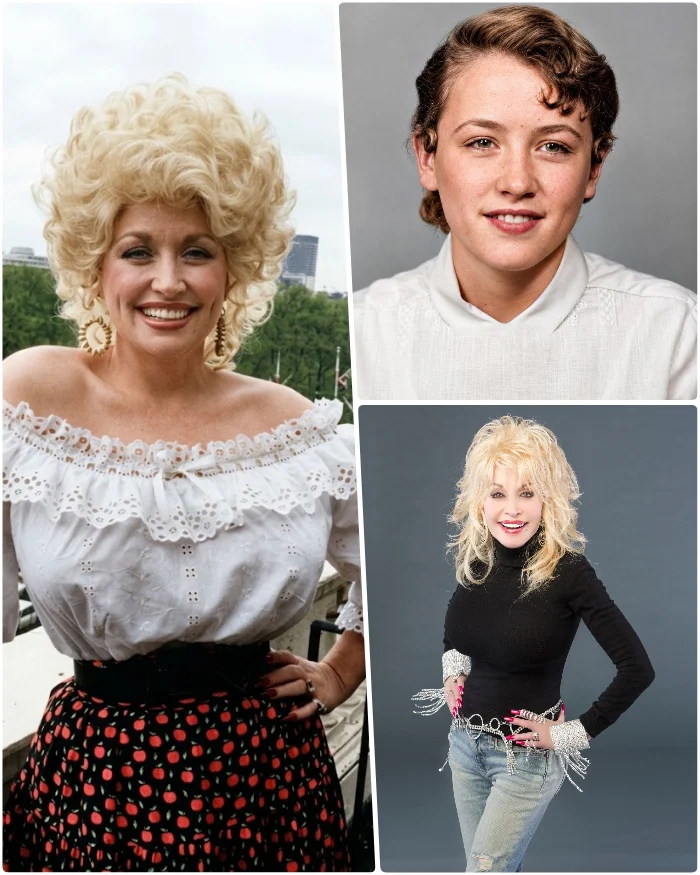
Dolly Parton stepped onto a bus bound for Nashville in late May 1964, only hours after becoming the first of twelve children in Robert Lee and Avie Lee Parton’s family to graduate from Sevier County High School. Her belongings fit inside paper grocery sacks. While classmates celebrated back home in the Great Smoky Mountains, she left a one-room cabin without electricity or running water, carrying worn clothes, a handful of songs, and a quiet promise to earn enough money so her parents would never have to struggle again.
Her childhood along the Little Pigeon River had been defined by wood stoves, kerosene lamps, and hand-me-down clothes. That childhood gave her a fierce ambition. She wanted country music to lift her family out of poverty and carry the stories of East Tennessee to a wider world.
Her first afternoon in Nashville brought a moment that would shape her private life. She stopped at the Wishy Washy laundromat on 16th Avenue South to wash the few clothes she owned. Outside the building, she met Carl Dean, a twenty-one-year-old asphalt worker and local paving contractor. Two years later, on May 30, 1966, the pair drove across the state line to Ringgold, Georgia, and married in a modest ceremony with no lavish celebration. Only her mother Avie Lee and the pastor’s wife witnessed the vows. Dean chose a life far away from entertainment cameras and gave her steady ground while she navigated the difficult realities of Music Row.
Between 1964 and 1967, success arrived in small and grueling increments. Early publishing contracts at Combine Music provided modest weekly advances, but royalty checks were thin and pitch sessions frequently ended in polite rejections. Producers often tried to steer her toward novelty pop or light teen ballads rather than traditional mountain country. During those lean years, she survived on leftover hot dog buns and diner scraps between demo sessions, and pay was often pocket change. She refused to return to the mountains empty-handed.
Her initial breakthrough came behind the scenes when veteran country artists began recording songs she co-wrote with her uncle, Bill Owens. In 1966, Bill Phillips recorded Put It Off Until Tomorrow, and the song earned songwriting honors from Broadcast Music Incorporated. That work established her credibility among Nashville publishers before she ever secured a major solo hit.
The turning point came in the late summer of 1967 when Grand Ole Opry star Porter Wagoner began searching for a new female vocalist on his syndicated national television show. Wagoner invited Parton to join the cast, introduced her each week to millions of living rooms across North America, and signed her to the RCA Victor recording label.
The partnership brought immediate visibility, chart-topping duets, and major exposure. It also required years of firm negotiation over early production agreements and creative control. Parton insisted on retaining her publishing rights through her own company, Owepar, a rare and determined business decision for a female artist in Nashville during that era.
She left with paper bags and returned with a promise kept.
Through every milestone that followed, the foundation of her career remained tied to that first three-year climb through Music Row’s publishing offices and quiet rehearsal rooms.
The girl who stepped off a Greyhound bus with paper sacks eventually became a global cultural icon, a Country Music Hall of Fame member, and one of the most prolific songwriters in American history. Her legacy was not built solely on stage presence and soaring melodies. It was rooted in the quiet resolve of an eighteen-year-old who refused to turn back toward the mountains until she fulfilled her promise.