
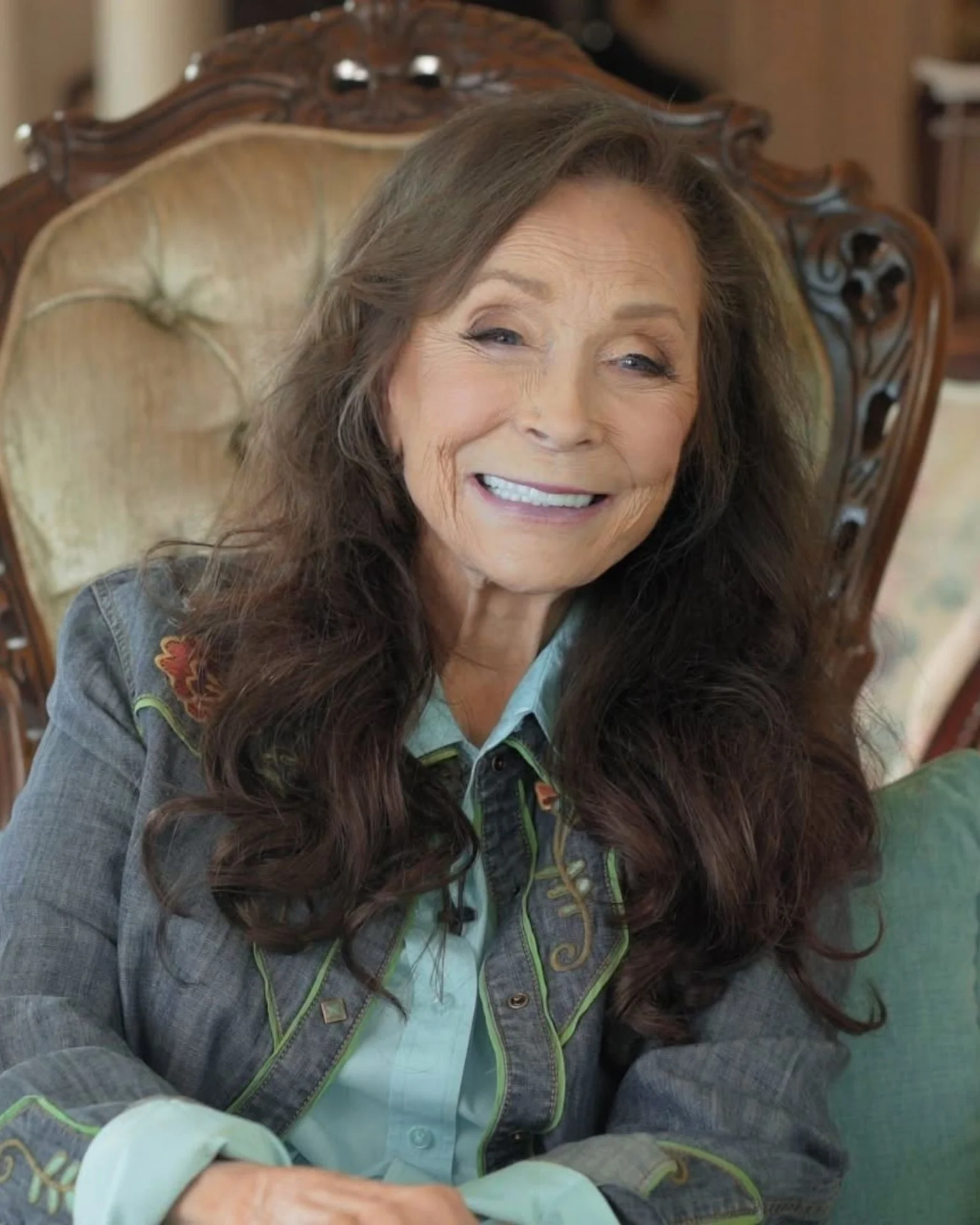
The auditorium was small and the dressing room was cramped. Loretta Lynn still had curlers in her hair and a scarf tied around her head when the young woman walked in crying. She was not crying because of the show. She was crying because her husband had refused to bring her to the concert. Then he came anyway. With another woman.
The wife pointed them out in the second row. The other woman was heavily made up. The wife beside her looked plain and frightened. Loretta studied the scene for a moment. Then she turned to the crying woman and delivered a line that would echo through country music history.
Honey, she ain’t woman enough to take your man.
That sentence did not come from a songwriter’s notebook. It came from one woman to another in a moment of raw pain and fierce loyalty. Before the show was over, Loretta had turned it into a song. She called it You Ain’t Woman Enough.
Country music in the mid-1960s gave women few ways to sound angry without sounding defeated. Loretta had already built an audience with songs like Success and Blue Kentucky Girl, but this new song sharpened her voice into something more confrontational. The woman in the song was not waiting to be abandoned. She was not quietly forgiving what had happened. She was drawing a line.
The record reached No. 2 on Billboard’s country chart in 1966 and became Loretta’s biggest hit to that point. More importantly, it defined the voice she would spend the rest of the decade refining: drinking husbands, infidelity, double standards, and women who refused to stay passive inside their own marriages. Within a year, Loretta was named the CMA Female Vocalist of the Year. Her bluntness, once unusual, became central to her public identity.
The young wife who came backstage that night never entered country history by name. That feels fitting because her situation was not rare. It also feels unfair because without her pain, the song might never have taken that exact shape. She brought Loretta the scene. Loretta brought the sentence. Together they gave country music one of its most enduring declarations of female defiance.
You Ain’t Woman Enough opened a larger road. Songs like Don’t Come Home A-Drinkin’, Fist City, and The Pill would follow. But the shift was already visible in 1966. Country women could sing not only about what had been done to them. They could sing about what they intended to do next.
That change did not arrive as theory. It arrived as a line spoken to a crying wife backstage, with curlers in Loretta’s hair and a scarf tied around her head. The wife’s name may have faded. The feeling did not.