
Late one night in Nashville, inside songwriter Harlan Howard’s home, a small gathering had thinned out. Willie Nelson sat on a stool with a gut-string guitar and began to sing the songs of an album no one had heard yet. In that room, music executive Jerry Wexler listened and understood something the rest of Nashville had missed.
By 1972, Willie Nelson had spent nearly a decade fighting to be heard in Nashville. RCA released album after album, but the recordings rarely captured his loose phrasing, his road-band feel, or his strange sense of time. His 1970 version of ‘Bloody Mary Morning’ had come and gone without making a dent. Yet the song was not finished. It was waiting for a different kind of space.
That space came at Harlan Howard’s party. When most guests had left, Willie stayed. He played his concept album from start to finish. Howard later recalled him on a stool, singing an entire record alone. No studio polish. No producer. Just the raw songs.
Jerry Wexler was still in the room. Wexler had built his reputation producing rhythm and blues for Ray Charles and Aretha Franklin. He knew what genuine individuality sounded like, and he heard it that night. What Willie sang did not sound like the polished Nashville records that had frustrated him for years. It sounded freer, looser, and more alive.
Wexler offered Willie a deal. Willie agreed on one condition: creative control. He wanted to use his own musicians and make records without Nashville producers rebuilding his sound. Wexler agreed. Willie became Atlantic’s first country artist.
RCA had spent years trying to make Willie Nelson fit. Jerry Wexler heard him once with almost nothing around him and understood that the part everyone kept trying to fix was the part worth keeping.
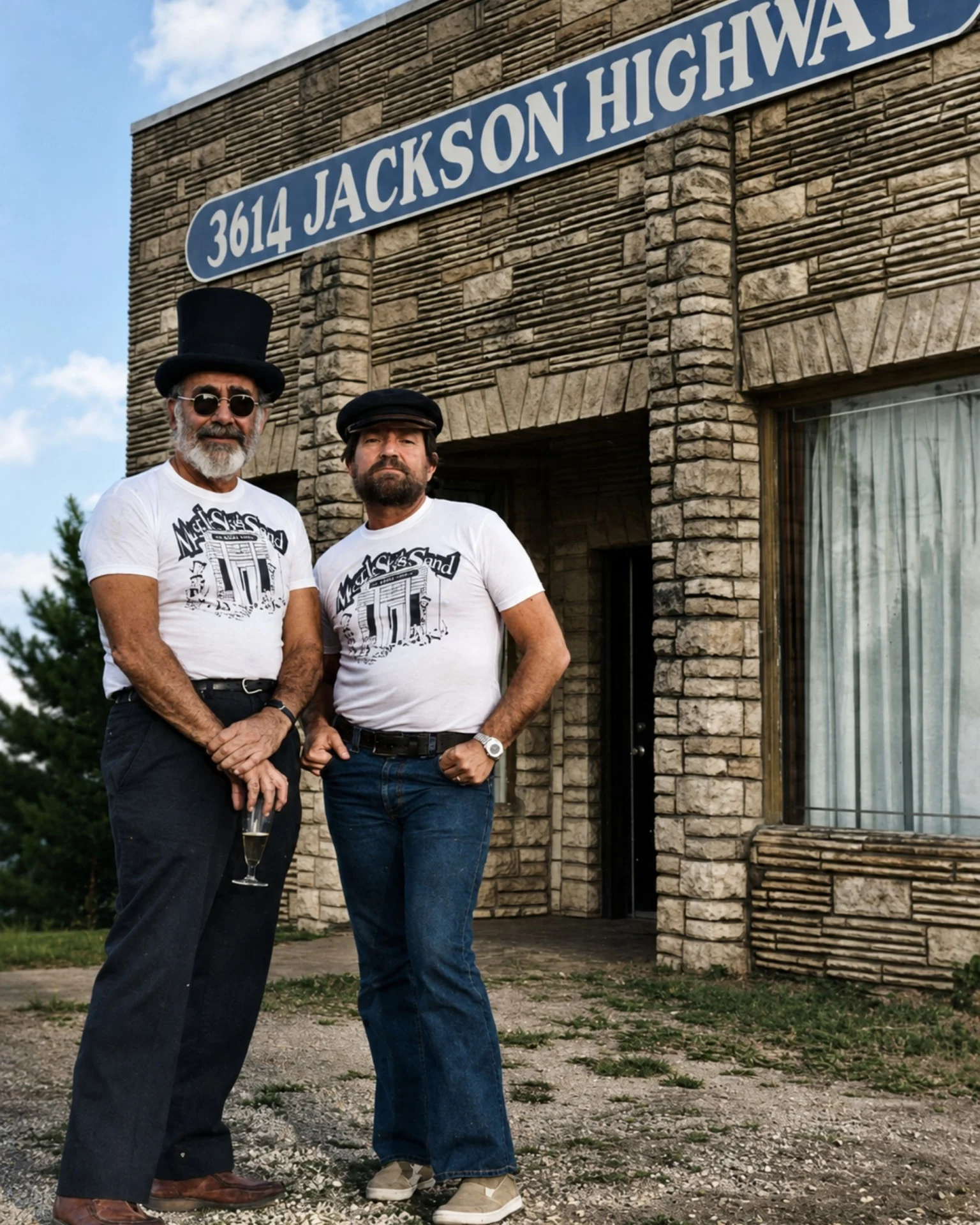
The first result was ‘Shotgun Willie’ in 1973. Then came ‘Phases and Stages’ in 1974. For that album, Willie returned to ‘Bloody Mary Morning.’ This time the song sat inside a divorce story told from both sides. Recorded at Muscle Shoals, the new version reached the country Top 20 and became one of his enduring live songs. The rhythm had road in it. The vocal had escape in it.
Atlantic’s country division did not last. Executives closed it in 1974, and Willie moved on to Columbia. But the freedom he had fought for stayed with him. In 1975, ‘Red Headed Stranger’ arrived. Sparse and strange, it became the breakthrough that proved Willie Nelson’s instincts were not a liability. They were the whole reason.
That night in Harlan Howard’s house was not the beginning of Willie’s success. But it was the moment when the room finally stopped asking him to change. From that night forward, the fight was no longer for better records. It was for the freedom to sound like himself.