
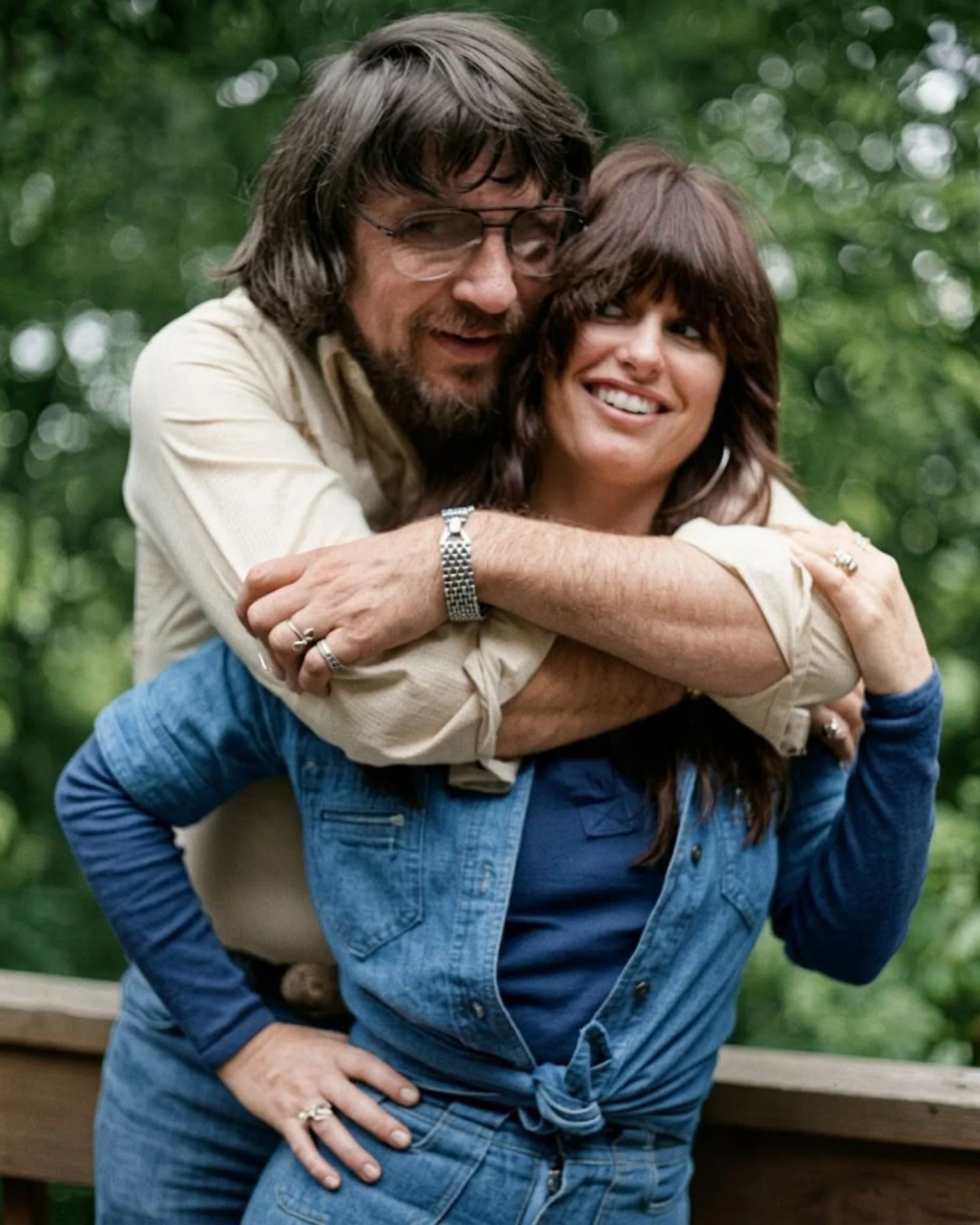
Waylon Jennings stood at the edge of everything he had built and almost let it go. In 1972 the country star was sick with hepatitis after a trip to New Mexico. He was deep in debt and paying alimony to three ex-wives. The road had worn him down and RCA still held the keys to his records. Quitting no longer felt like surrender. It felt like the only practical move left.
From the outside he had looked like a success story. There were RCA albums and Top 10 records. A Grammy sat on his shelf and years of touring had made his name familiar. But success can tell a lie from a distance. Behind the stage lights the numbers were brutal. His road operation was losing money. The IRS was circling. Every tour and studio date seemed to tighten the grip that the machine had on his life.
Then his body stopped cooperating.
After returning from New Mexico he came down with hepatitis. For a touring performer the illness was more than pain. It was a full stop. For the first time in years he had to lie still long enough to count the cost of his own career. What he found left him broken.
The deeper wound was not exhaustion. It was the realization that all the success had not given him control.
He had been measured by Nashville standards and found wanting. The records carried his voice but not always his truth. The system chose the songs and the players and the polish. Waylon had traded his freedom for a career that still did not belong to him.
That is when he decided to change the fight.
Instead of quitting he fired his longtime manager Lucky Moeller. In his place came Neil Reshen, a New York manager who did not care about Nashville etiquette. Reshen went after the contracts and the accounting that had kept Waylon trapped for years. The rebellion was not just musical. It was legal and financial and deeply personal.
The pressure finally worked. RCA gave Waylon much greater control over his recordings. He could choose the songs and the musicians and the studios. He could produce himself. In 1973 he released Lonesome On’ry and Mean and followed it with Honky Tonk Heroes. The second record drew heavily on Billy Joe Shaver’s songs and the sound felt alive in a way his earlier work had rarely managed.
The music no longer tried to smooth away every edge. It kept the dust and the danger. It sounded less like Nashville arranging Waylon Jennings and more like Waylon Jennings finally arranging himself.
That is the strange legacy of his 1972 crisis. The outlaw turn was not born from a pose or a photo shoot. It came from a sick man lying still and looking at the wreckage of his own life. The debt and the alimony and the failing health and the creative frustration all pointed to the same truth.
He had been successful enough for other people to profit but not free enough to command his own name.
Quitting had almost become his answer. Instead he used the crisis to take back the reins. Within a few years Waylon Jennings stood near the center of country music’s outlaw boom. The same man who had nearly walked away became the sound of a movement.
The fight did not begin under a spotlight. It began in 1972 with hepatitis and a mountain of debt and the sudden understanding that the old way could not continue. Waylon nearly lost everything before he finally found himself. And country music changed because he refused to stay trapped.