
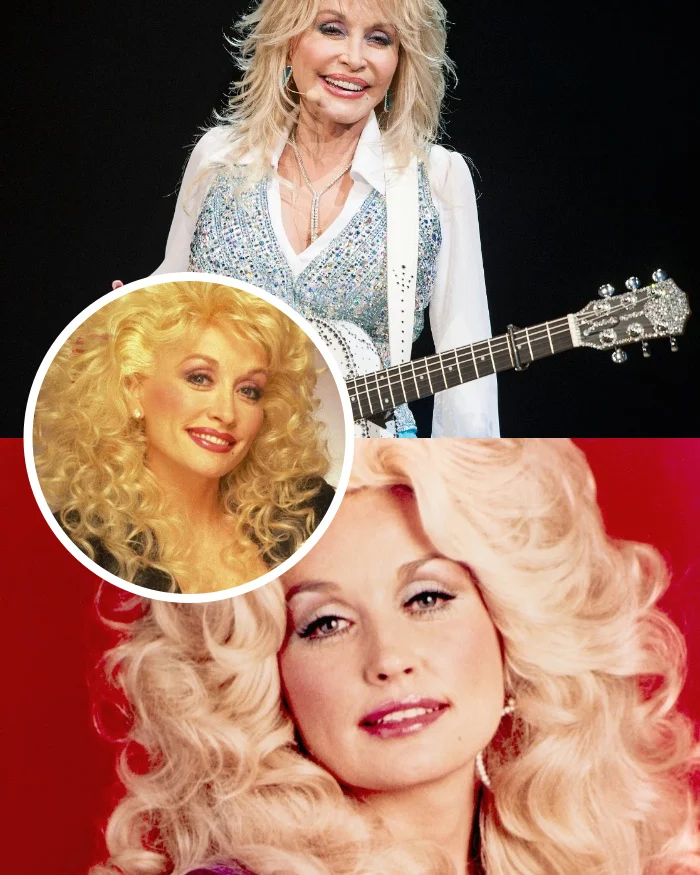
Dolly Parton did not turn her fear into fury. She turned it into “Jolene” and let a trembling confession become one of country music’s most honest anthems.
In late 1973 she released the driving acoustic track as the title song from her thirteenth solo studio album. By early 1974 it had climbed to number one on the Billboard Hot Country Songs chart and began a long life as one of the most covered and enduring recordings in American music.
The song grew from two separate real moments that merged inside her imagination. An eight-year-old girl with red hair and green eyes asked for an autograph at a show and Dolly kept the striking name in her heart. The private ache came from a local bank branch where a stunning teller had caught the attention of her husband Carl Thomas Dean.
Carl had married Dolly in Ringgold, Georgia, in May 1966 and always stayed far from the spotlight. He developed an innocent habit of frequenting the bank just to see the teller and that quiet friction could have become a wound. Instead Dolly chose candor over public anger.
She sat at home with her guitar and addressed the other woman directly. She praised the rival’s striking beauty while laying bare the terror of losing the man she loved. The result was not a song of confrontation but a devoted wife’s desperate plea.
“Jolene” showed that vulnerability could be stronger than fury.
Inside RCA Studio B, producer Bob Ferguson kept the arrangement tight and focused. Session guitarist Chip Young played the fast, driving, hypnotic acoustic guitar intro that gave the track its frantic heartbeat while Dolly’s trembling vocal delivery carried the full weight of the confession.
In a genre often built around feuds and payback, Dolly’s willingness to admit fear elevated the track from an ordinary country ballad into a universal study of vulnerability and devotion.
The writing window was astonishing. During the same fertile creative stretch Dolly also composed “I Will Always Love You” and two landmark recordings emerged from the same emotional flood.
Behind closed doors the tension never broke her marriage. Dolly teased Carl about his bank visits with gentle humor and the couple turned awkwardness into private folklore. Their fiercely protected partnership remained solid for well over fifty years and became one of the longest steady relationships in entertainment.
“Jolene” crossed every border imaginable, earning Grammy nominations, induction into the Grammy Hall of Fame, and hundreds of covers across multiple genres. The finished record remains a portrait of marital honesty. Dolly Parton transformed a fleeting domestic insecurity into lasting art while the marriage behind the music quietly endured.