
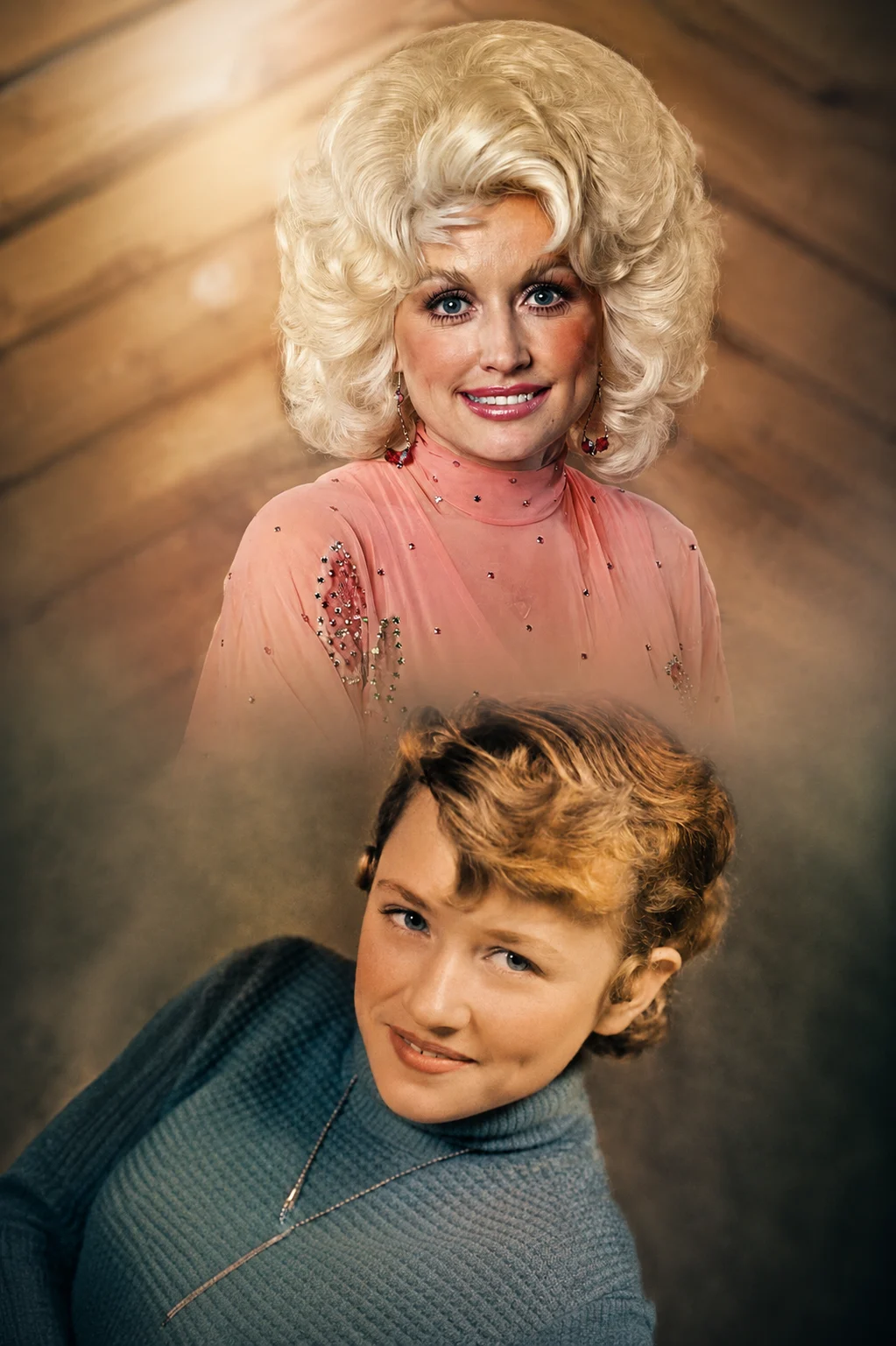
A grocery bag became her entire future.
The morning after Dolly Parton became the first in her family to graduate high school, she packed her clothes into that bag and boarded a bus to Nashville.
In the spring of 1964, she left a small wooden cabin in the Locust Ridge area of Sevierville, Tennessee.
She walked away from the crowded warmth of a home shared with eleven siblings and stepped toward a city that offered no guarantees.
There was no celebration waiting for her, no financial safety net, and no industry connection to soften the landing.
She carried only a few personal belongings and the deep stories she absorbed in the Smoky Mountains.
Her first hours in the capital of country music were spent confronting the unglamorous reality of having almost nothing.
Before she entered a recording studio or pitched a song to a record executive, she walked into the local Wishy Washy laundromat with her dirty clothes in that same bag.
Surrounded by humming washing machines instead of glittering lights, she met a young man named Carl Dean.
That brief ordinary encounter gave her a rare anchor of normalcy in a city about to test everything she had.
At the time, the country music industry leaned hard into the polished Nashville Sound.
Executives looked at the small girl from Appalachia, listened to her piercing raw vibrato, and assumed the machinery of the business would wear her down.
The first months brought closed doors and polite but firm rejections from record labels.
They expected a naive country girl to run out of money and take a Greyhound bus back to Sevier County.
They did not understand the quiet endurance required to leave the only world she knew.
She carried a survival instinct forged in rural poverty.
When labels refused to sign her as a frontline vocalist, she did not retreat.
Instead, she shifted strategy.
She temporarily set aside immediate solo stardom and focused on her pen.
She secured a publishing contract with Combine Music and began pitching her traditional Appalachian storytelling to established artists.
Her breakthrough did not come from her own name on a marquee.
It came from slipping her words into the mouths of others.
In 1965, country singer Bill Phillips recorded her composition Put It Off Until Tomorrow, featuring Parton’s own distinct uncredited harmony vocals in the background.
The track soared to the top ten.
The industry suddenly realized the teenager from Sevier County could write with rare force.
That success helped open the path toward her first recording opportunities and eventually her connection with Porter Wagoner.
She wore her rural background as armor.
She turned poverty into a catalog of songs the entire country would eventually sing.
She traded the crowded warmth of her mountain home for the quiet isolation of a strange city because she believed her voice belonged on a stage.
She did not conquer Nashville by leaving her mountain roots behind.
She conquered Nashville by making them hear the mountains in every line.