
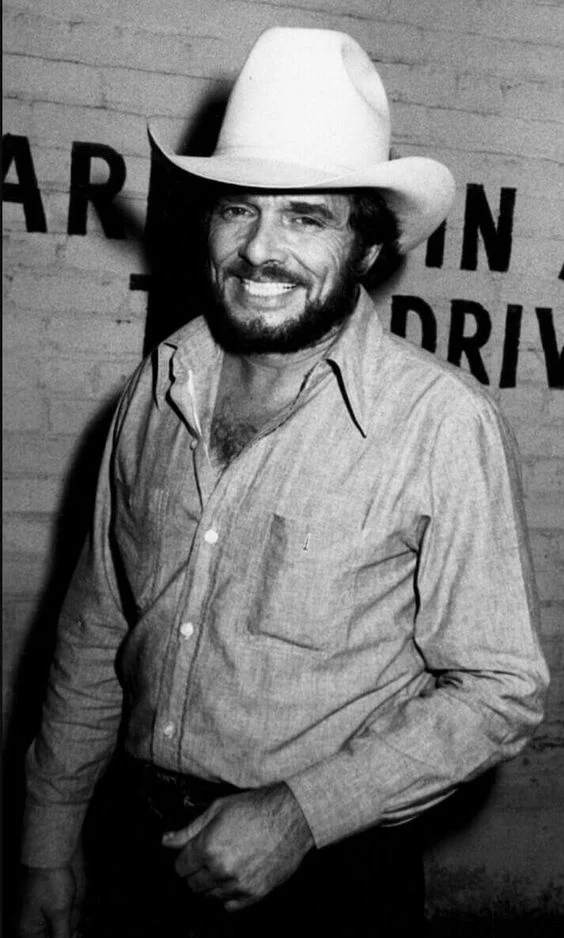
The electric hum of a prison fell silent as a condemned man spoke his last request. He did not ask for a final meal or a last word. He asked for a song, one that would carry him back to the home he would never see again. This was the moment Merle Haggard captured in his 1967 classic, “Sing Me Back Home.”
The song unfolds through the eyes of a fellow inmate who watches a friend face execution. The narrator agrees to sing a familiar tune, hoping to give the dying man a moment of peace. Haggard’s own voice is weary and tender, a perfect match for the story’s quiet devastation. The melody rises and falls like a lullaby, each note pulling the listener into the cell with the two men.
Music has the power to heal and to transport, and in this ballad, it offers a final gift
But the song is more than a deathbed narrative. It explores the ache of memory and the way a single chord can unlock a lifetime of longing. The prisoner does not ask for freedom or revenge. He asks for the sound of home. In that request, Haggard finds a universal truth: that the places we love never truly leave us, and that music can bridge space and time even when all other doors have closed.
Released as a single in 1967 and later featured on the album of the same name, “Sing Me Back Home” quickly became one of Haggard’s most celebrated works. Critics praised its emotional depth, and fans responded to the raw humanity of the story. The song did not rely on flashy production or clever wordplay. It relied on a simple question: what would you want to hear at the end of your life?
Haggard, who had his own brushes with the law in his youth, wrote from a place of hard‑won understanding. He knew the weight of regret and the power of redemption. In “Sing Me Back Home,” he gave voice to every person who has ever wanted to return to a simpler time, to a place where they felt safe and loved. The song endures because it speaks to that longing, a longing that belongs to everyone.