
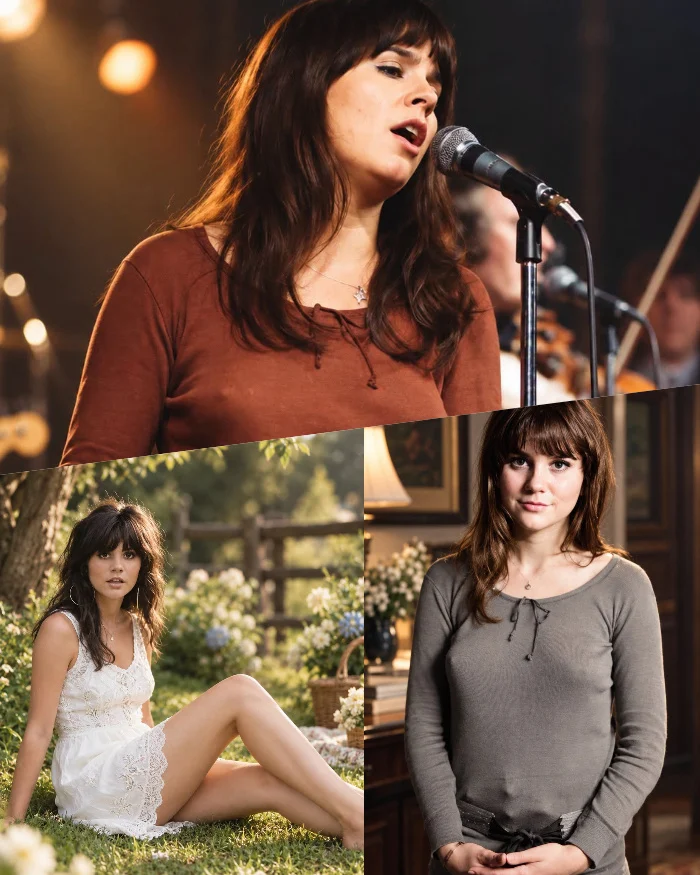
The most daring thing Linda Ronstadt did on a 1978 record was not raising her voice. She lowered it. She took a sacred Motown confession and turned it into a midnight ache that made listeners feel the song was being whispered directly to them.
At that moment Ronstadt was already one of the boldest female interpreters in American popular music. She could move through rock and country and folk with rare ease. Yet the idea of touching Ooo Baby Baby felt like stepping into a shrine. Smokey Robinson had written and recorded the 1965 masterpiece with the Miracles and made it a monument to fragile falsetto and Detroit soul.
During the Living in the USA sessions Ronstadt made a choice that would define the cover. She did not chase Robinson’s famous falsetto. She did not copy a standard rhythm and blues delivery. She slowed the tempo and turned an urgent plea of remorse into a quiet confession after dark.
Producer Peter Asher helped build the velvet architecture around her voice. At The Sound Factory in Los Angeles he kept the rhythm section tight and understated. Kenny Edwards supplied a steady bassline. Russ Kunkel played subtle drums. That restraint gave the melody room to breathe.
Then David Sanborn entered the room with his alto saxophone. His lines wove around Ronstadt’s phrasing like a second singer responding in an empty space. The horn gave the track its smoky character. Ronstadt remained the emotional center.
Ronstadt had the power to overwhelm a microphone. She chose lingering softness instead. She stretched gentle vowels and let the ache of the lyric sit beneath the music. That restraint made the cover feel intimate rather than imitative.
The gamble paid off. The single reached number 7 on the Billboard Hot 100 and climbed the Soul chart. It crossed formats with effortless grace and proved that a classic could be respected without being duplicated.
True respect for a classic means finding your own truth inside it.
When Robinson heard what Ronstadt had done with his work he offered his public blessing. He praised the honest vulnerability at the center of the music. That approval mattered because it confirmed that the cover had not merely borrowed a melody. It had honored the feeling inside it.
More than four decades later the session still fascinates musicians. It remains a masterclass in restraint in texture and in the courage to make a beloved song smaller so it can become larger.