
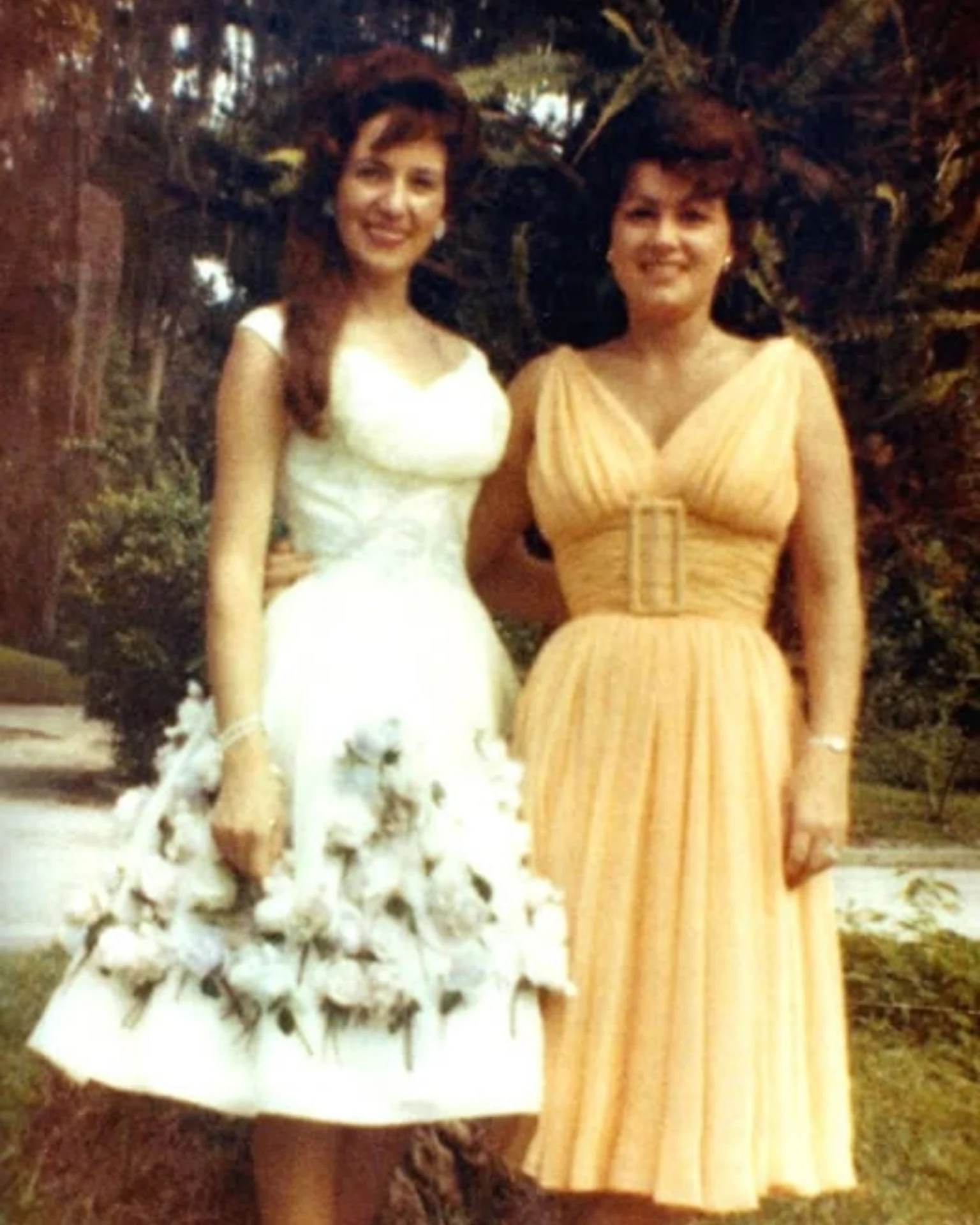
Two weeks before Patsy Cline died in a plane crash, she pressed a scrapbook into Dottie West’s hands and refused to let it go back. Dottie carried it home after a sleepless night of conversation. Later, when her children left for school, she opened the pages and found a check for seventy-five dollars tucked inside. A small note said it would pay the rent.
The scrapbook seemed like a piece of Patsy Cline’s life. It held fan letters, photographs, newspaper clippings and music charts with her hit records circled in red. Dottie told Patsy to keep it for her children and grandchildren. Patsy insisted. She wanted Dottie to see what a country singer could build, even when the road had been rough.
This will pay your rent this month
That hidden note changed the meaning of the gift. Patsy knew Dottie was struggling in Nashville with young children, a new baby and only two or three days of road work each month. She also knew how thin money could become when a singer had no steady hit. So she left Dottie a record of everything she had achieved, then quietly placed the family’s immediate need between its pages.
Before that night, Patsy had already been helping in ways that protected pride. Dottie’s husband, Bill West, played steel guitar. Patsy sometimes hired him for shows even when her arrangements did not require another steel player. The extra musician was not there for the sound. He was there because the West family needed another paycheck.
Patsy also helped Dottie with clothes, stage presentation and the unwritten rules of working before a country audience. Dottie had arrived in Nashville with Bill and their children in 1961. She had recorded for Starday and Atlantic without finding a hit. She wrote songs, chased auditions and accepted whatever appearances came. Some months, according to her later account, she worked only two or three days on the road.
Patsy lived on the other side of the same industry. After years of poor contracts and uncertain records, I Fall to Pieces and Crazy had made her a national star. She understood success, but she also remembered the years when a fifty-dollar engagement could determine whether bills were paid. When she saw the West family struggling, she did not offer a speech about perseverance. She looked for work they could perform.
One night in early 1963, Patsy and Dottie remained together until it was nearly time for Dottie’s children to leave for school. They talked about careers and the difficult months Dottie was enduring. Dottie told Patsy that she intended to stay with singing, however long it took. She had not moved her family to Nashville merely to leave when the work became scarce.
Before Dottie went home, Patsy brought out the scrapbook. The volume contained evidence of a career that had finally begun to hold together. A Carnegie Hall photograph was among the material Dottie later remembered. Patsy told her to take the book. Dottie objected. Patsy would not be persuaded.
Roughly two weeks later, Dottie appeared with Patsy at the benefit concert in Kansas City that became Cline’s final performance. The event on March 3, 1963, helped the family of disc jockey Cactus Jack Call. Bad weather complicated the return to Nashville. Dottie and Bill offered Patsy a place in their car for the long ride back. Patsy chose to wait for the weather and return by plane.
She died on March 5, 1963, near Camden, Tennessee. The plane carried Patsy, her manager Randy Hughes, Cowboy Copas and Hawkshaw Hawkins. No one survived. The public lost the thirty-year-old voice behind some of country music’s most enduring records. Dottie lost the woman who had listened to her worries through the night and hidden the rent inside a scrapbook.
Dottie’s own break came afterward. Jim Reeves recorded her composition Is This Me? and helped bring her to the attention of producer Chet Atkins. RCA signed her, and Here Comes My Baby earned her country music’s first Grammy awarded to a female artist. The recording also helped secure her place at the Grand Ole Opry. More hits followed, along with songwriting success, television appearances, Coca-Cola’s Country Sunshine campaign and a later run of popular recordings with Kenny Rogers.
In 1979, Dottie West sat before a small group of listeners and described the book she had carried for sixteen years. The page she remembered most clearly was not a clipping about Crazy or I Fall to Pieces. It was the place where she had found the rent money.
The seventy-five dollars was soon spent. The month it purchased was enough to keep the West family beneath a Nashville roof while Dottie waited for the career Patsy believed was coming. As Dottie became established, she developed a reputation for helping other performers and writers. The Country Music Hall of Fame credits her with encouraging figures including Jeannie Seely, Larry Gatlin and Steve Wariner.
That part of her life gives the scrapbook another meaning. Patsy had shown her that mentorship did not always require a formal introduction or public endorsement. Sometimes it meant finding a job for someone’s husband. Sometimes it meant sharing clothes or explaining how to carry oneself onstage. Sometimes it meant ensuring that a family could remain in town for another month.
The check completed its purpose quickly. It went toward the rent and disappeared into the ordinary expenses of raising a family. The scrapbook remained. Its pages preserved the career Patsy had already built, but Dottie’s life preserved something the charts could not show. She stayed in Nashville, found her opening and eventually became the established woman who helped younger artists through uncertain years of their own. By then, the money Patsy had hidden was long gone. What continued moving through Nashville was the habit behind it.