
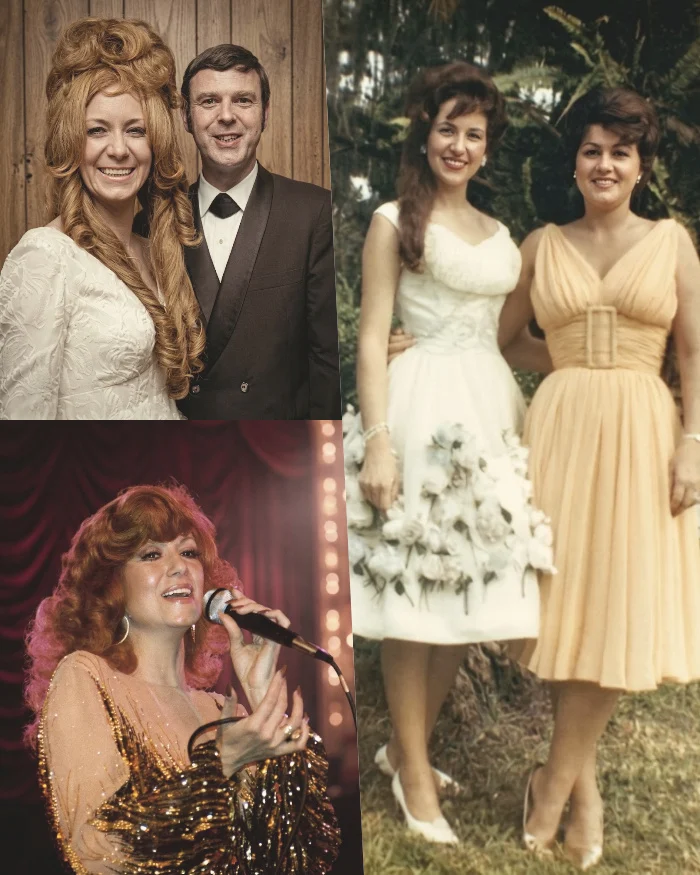
Dottie West collapsed into her husband’s arms when the call came. The country singer had just lost her closest friend, and the grief was inseparable from a chilling truth. A simple ride home had kept her alive while Patsy Cline had chosen a small plane and never returned.
In early March 1963, Dottie and Bill West packed their car in Kansas City for the long drive back to Nashville. They had just completed a grueling benefit concert for the family of a deceased radio disc jockey. Before leaving, Dottie made one last plea for Patsy to ride with them.
Patsy Cline had fought through the flu and performed three consecutive sets. She missed her two young children and wanted to be home fast. A storm had grounded flights, yet she chose to wait for the weather to clear rather than spend the night on the highway.
Don’t worry about me, Hoss, when it’s my time to go, it’s my time.
That gentle reassurance became the final goodbye between the two women. Dottie and Bill settled into sixteen hours of dark road. Patsy boarded a small Piper Comanche with her manager Randy Hughes, Hawkshaw Hawkins, and Cowboy Copas. On March 5, 1963, the aircraft ran into severe weather and crashed into woods near Camden, Tennessee. No one survived.
For Dottie, the news carried two brutal blows at once. She had survived because she chose the highway, and she had lost the woman who had lifted her into Nashville.
Dottie had come to Nashville as a poor songwriter trying to make a place in a harsh industry. Patsy was already a huge star, and she took the younger singer under her wing. She paid rent when money vanished, bought groceries, and gave Dottie her custom stage clothes so she could look like a star.
More than that, Patsy taught Dottie how to sing with truth. From the wings of the Grand Ole Opry, Dottie watched how her friend controlled a room. Patsy could turn raw pain into recordings that reached millions, and she pushed Dottie to keep that honesty.
If you can’t do it with feeling, don’t.
Weeks before the fatal trip, Patsy gathered Dottie and other close friends in her music room. She seemed worried about the future and handed Dottie a thick scrapbook full of personal mementos and career treasures. She insisted Dottie keep it.
After the crash, that scrapbook became one of Dottie’s most guarded possessions. Grief could have stopped her, but she poured it into her music. She used the exact lesson Patsy had taught her about unshielded emotion.
The next year, Dottie entered an RCA recording studio and delivered a broken, aching vocal on a song she co-wrote with Bill, titled Here Comes My Baby. The track changed her career. The industry heard the depth in her voice, and it earned her the first Grammy Award ever given for Best Country Female Vocal Performance.
Over the next three decades, Dottie West became a legend in her own right. She filled arenas and secured a permanent place in Nashville history. Yet she never forgot the debt she owed to the friend who had first taught her how to hold a microphone.
Decades later, Dottie still sang with the heartbreak Patsy had demanded. A storm had taken her mentor, but the voice Patsy helped build still echoed across the crowd.