
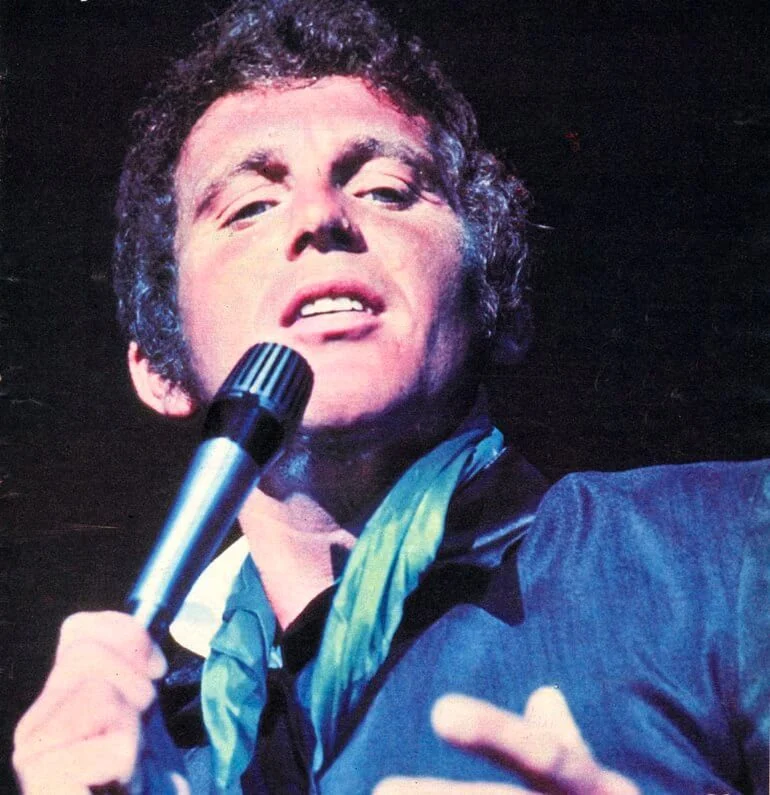
Imagine a singer down to his last chance, rummaging through a pile of rejected songs at a record label. That was Bobby Vinton in 1962, an artist facing the brink of being dropped by Epic Records. What he pulled from that discard pile would not only save his career but also etch his name into music history.
Roses Are Red (My Love) was composed by Al Byron and Paul Evans. Vinton first recorded it in April 1962 as an R&B track but felt something was off. The tempo didn’t match his vision. Determined, he persuaded the label to let him re-record it—slower, more dramatic, layered with strings and a lush vocal choir. That second version became the one the world would embrace.
“Roses are red, my love / Violets are blue / Sugar is sweet, my love / But not as sweet as you”
The song’s ascent was swift and global. On July 14, 1962, it hit No. 1 on the Billboard Hot 100, where it stayed for four consecutive weeks. It also topped charts in Australia, New Zealand, Norway, South Africa, and the United States. More than just a hit, it made history as Epic Records’ very first No. 1 single. By year’s end, Billboard placed it at No. 4 on its “Top 100 Singles of 1962” and No. 36 on the R&B year-end list. Cash Box ranked it No. 17.
But behind that success is a story of perseverance. Vinton had signed with Epic in 1960 as a bandleader, releasing two LPs that went nowhere. The label was ready to cut ties. As a final gesture, they allowed him to sing on what was supposed to be his last single. That single was Roses Are Red (My Love), discovered in the discard pile. Vinton hated the initial cut—it just didn’t feel right. He fought for a re-recording, and that persistence paid off. Not only did the song become a No. 1 smash, but it also earned Vinton a new contract as a solo recording artist.
The lyrics tell a bittersweet romance: a love story that begins with a graduation day inscription in a yearbook, only to end years later when the singer reads a letter from his love—now married with a child—and writes back with a blessing. The final verse echoes the first, suggesting the cycle of love continues with her little girl.
“Is that your little girl? / She looks a lot like you / Someday, some boy will write / In her book too”
Decades later, the song remains a tender reminder of how a simple rhyme—and a second chance—can change everything.