
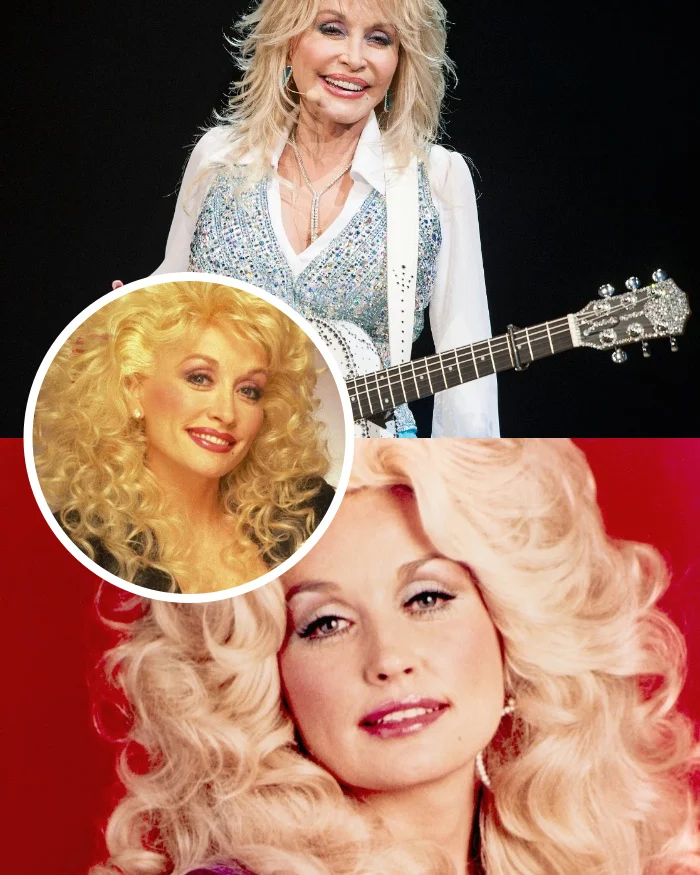
A quiet fear at home became one of country music’s most urgent pleas. In late 1973, Dolly Parton released Jolene, and the track rose to number one on the Billboard country singles chart in early 1974.
The spark came from two separate moments. A red-haired girl with green eyes asked for an autograph at a show, and the name Jolene stuck. At the same time, a bank teller had caught the eye of Dolly’s husband, Carl Dean.
Dolly could have written anger. She chose honesty instead. She sang to the other woman, praised her beauty, and confessed the terror of losing her marriage.
She made vulnerability the engine of a hit.
The writing happened during an astonishing stretch of creativity. In the same period, she also wrote I Will Always Love You, two landmark songs shaped by private emotion.
At RCA Studio B in Nashville, producer Bob Ferguson and guitarist Chip Young gave Jolene its driving acoustic pulse. The fast picking matched the trembling plea of a devoted wife.
Behind closed doors, Dolly handled the tension with humor and candor. She teased Carl about his extra bank visits, and the quiet friction became art instead of conflict.
The song did not divide her marriage. Dolly and Carl Dean, married in Ringgold, Georgia, in May 1966, built a partnership that lasted more than fifty years.
Jolene crossed generations, earning Grammy recognition, Hall of Fame honors, and countless covers. Its deepest legacy remains the human choice behind it.