
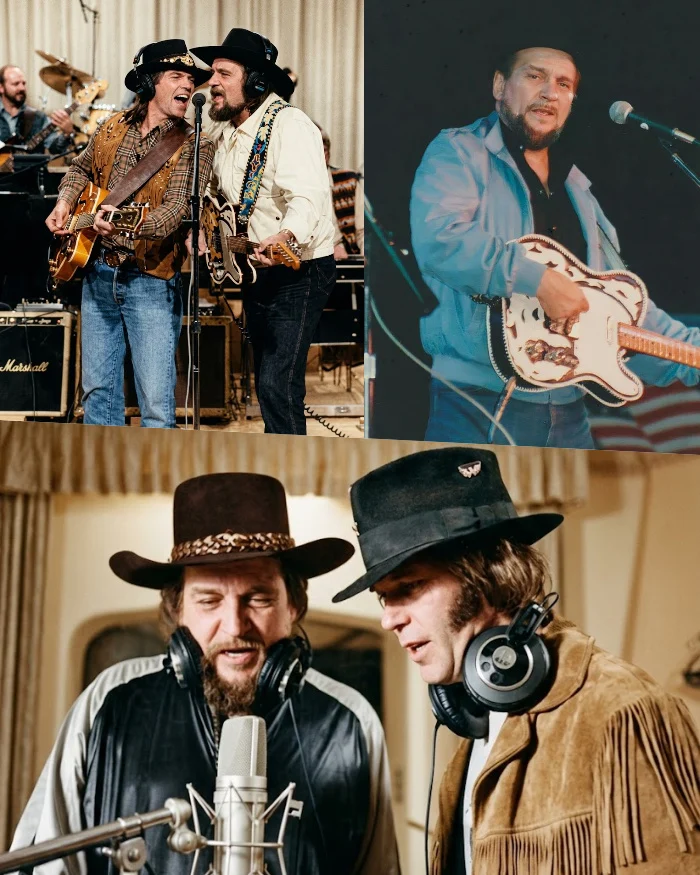
Eighty thousand people pressed into Memorial Stadium on September 22 1985 not for another pop spectacle but for a rescue mission aimed at the heart of rural America. Willie Nelson stood before that sea of faces with his battered guitar named Trigger and carried a promise that could not wait. Family farms were losing homes at a speed that felt almost unbearable.
The spark had come from a casual line Bob Dylan offered during Live Aid that summer. He asked whether a small share of the global generosity could help American farmers facing foreclosure. Many heard a stray thought. Nelson heard a duty. With Neil Young and John Mellencamp beside him he raced to turn that thought into a national live broadcast in just six weeks.
The stage became a gathering of voices rarely seen together. Johnny Cash B.B. King Roy Orbison Tom Petty and the Heartbreakers Loretta Lynn and Dylan filled fourteen straight hours with music and solidarity. They were not performing for applause alone. They were answering the quiet desperation of men and women who felt left behind by an economy they helped feed.
The music gave a voice to families the nation had nearly forgotten
More than $9 million poured in during that single day and was directed toward emergency relief food grants and urgent aid for households on the edge of eviction. Yet Nelson and his partners saw that the crisis had a deeper wound. The loss of land and livelihood was driving severe depression and suicide across farm communities.
That realization led to the creation of the permanent 1-800-FARM-AID hotline. The number became a steady presence in the darkest hours. Farm advocates and counselors guided callers toward legal help emotional support and direct assistance. It reminded isolated families that they did not have to carry the weight alone.
For Nelson the fight was never abstract. He grew up in Abbott Texas amid the hard realities of the 1930s and knew the pride and vulnerability tied to working the land. He saw his own childhood neighbors in the weathered faces of struggling farmers. They were his people and he used every ounce of his fame to stand with them.
The stadium eventually emptied but the lifeline remained. What began as an offhand comment became a lasting sanctuary for rural America. Willie Nelson did not just build a stage in six weeks. He built a way for a forgotten countryside to be heard.